How to choose grow bags, fill them, and grow vegetables and herbs on a terrace or balcony in India.
Part 1
Why grow bags
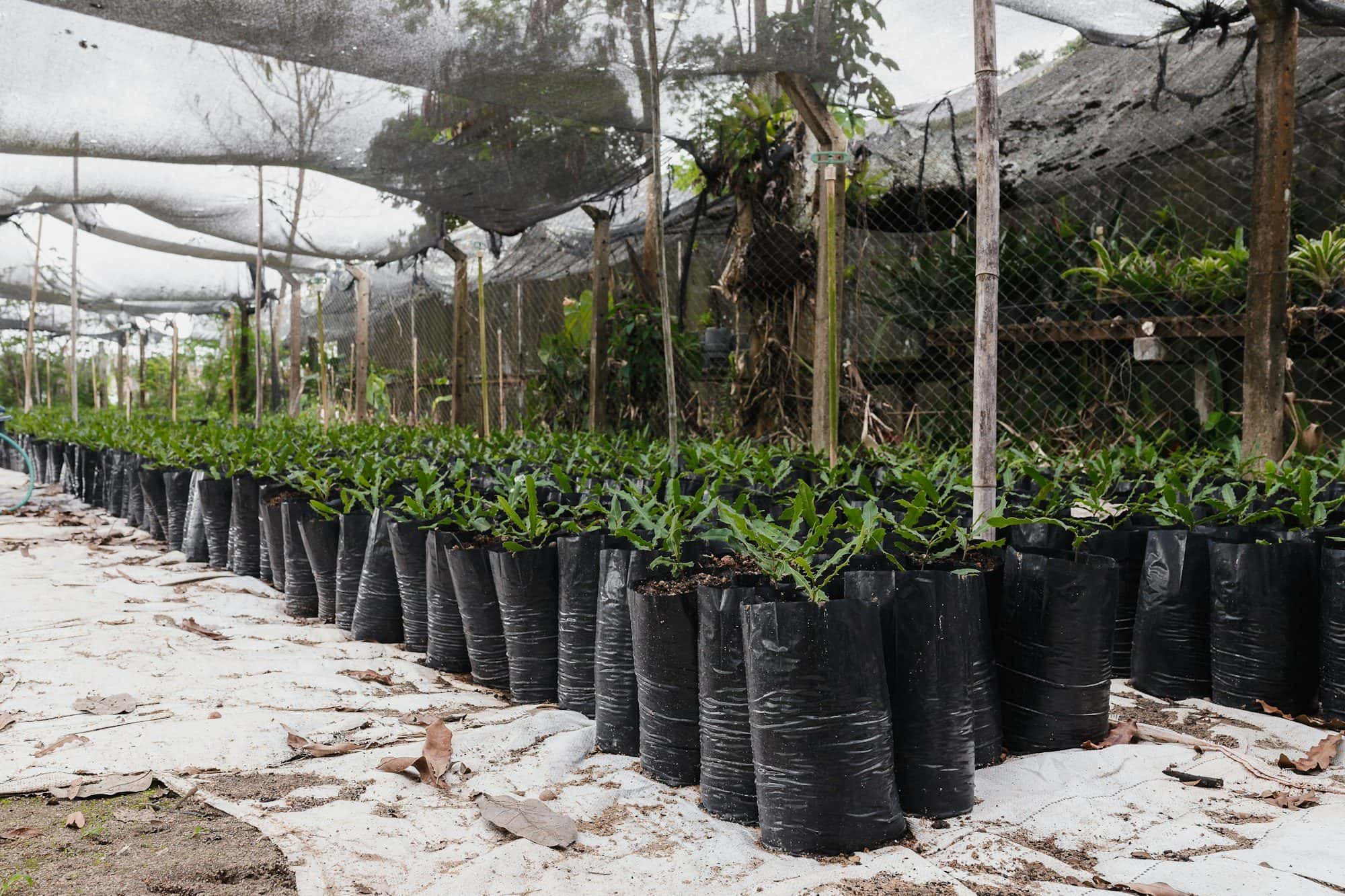
Grow bags are light, cheap, easy to move and drain well, so they suit terraces where weight and waterproofing matter. Good ones are made of UV-stabilised HDPE or fabric that lasts two to three seasons in Indian sun.
Part 2
Choosing the size
Match the bag to the root depth of the crop. Small bags of about 9 × 9 inches suit herbs, coriander, spinach and fenugreek. Medium bags of about 12 × 12 inches suit tomato, chilli, brinjal and capsicum. Large bags of 15 × 15 inches or more suit gourds, beans on a trellis and small fruit plants. A bag that is too small dries out quickly and limits the harvest.
Part 3
The soil mix
Do not fill bags with garden soil alone; it packs down and drains poorly. A reliable mix is roughly equal parts cocopeat, compost or vermicompost, and red soil or garden soil, with a handful of neem cake. Leave an inch at the top for watering and mulch.
Top up with compost at the start of each season and loosen the surface. Replace the mix every two or three seasons, or sooner if a crop had disease.
Part 4
Placement and watering
Most vegetables need at least five to six hours of direct sun. Keep bags on bricks or a stand so water drains and air reaches the base. In summer, bags can need water every day; a drip line with a timer on each bag makes this reliable.
Our installed grow-bag kits include bags, soil mix, seasonal seedlings and a drip line, and start from about ₹6,500 for ten bags in Pune.