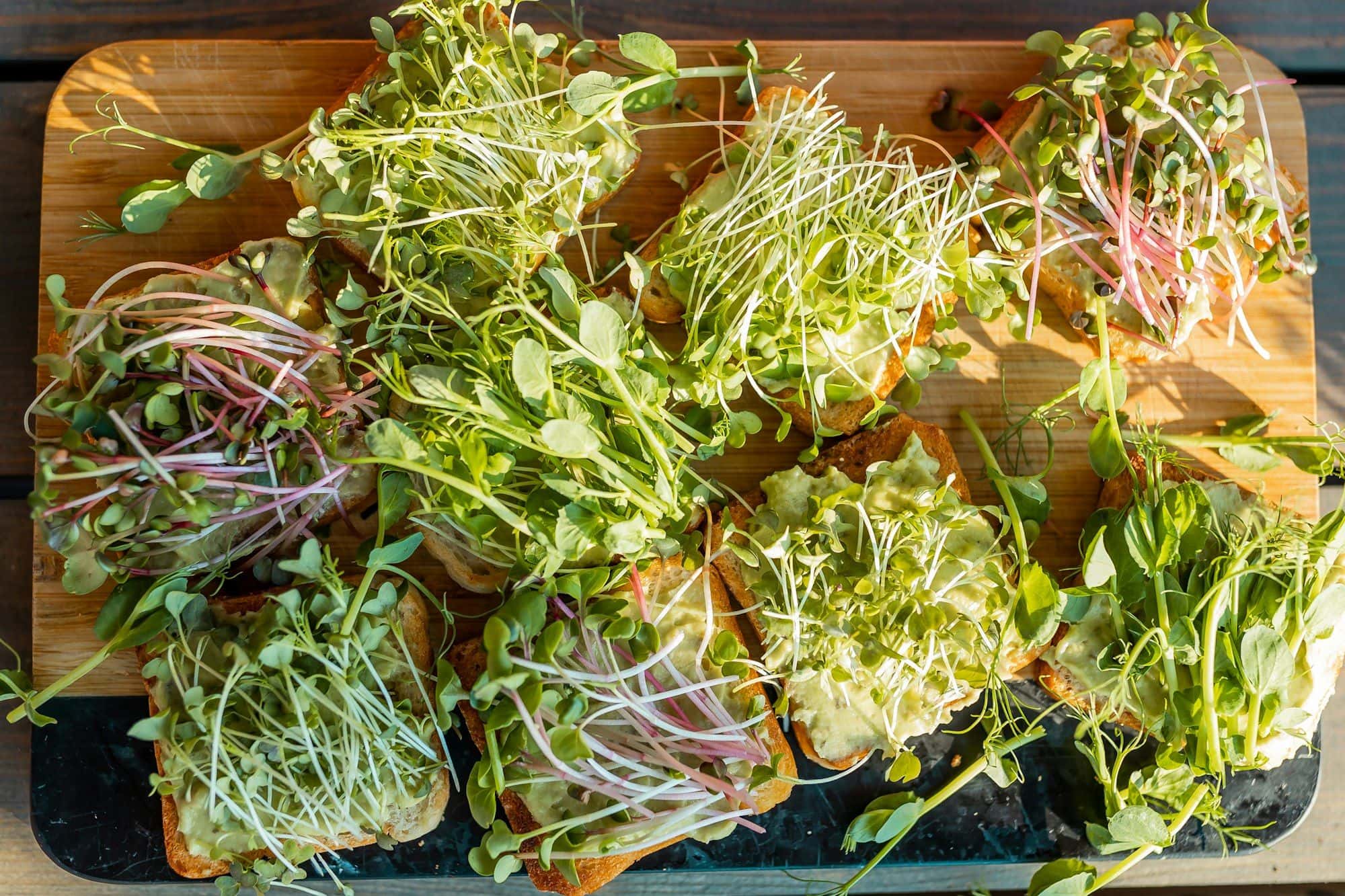
How to eat microgreens: the basics
Microgreens are eaten whole, leaves and stems together, cut just above the growing medium. The University of Maryland Extension lists their common uses: in wraps, paninis and sandwiches, in soups, omelettes and frittatas, sprinkled on salads or burgers, blended into pesto or smoothies, as garnish for grain and pulse dishes, chopped into dips, or eaten raw on their own. It also notes that most of the flavour is in the leaves, while the stems add texture.
In Indian food, the same logic applies. A 2025 review by Seth and colleagues, written with ICAR scientists, lists microgreens as toppings on dosa, idli, roti, bread omelette, khichdi and raita, and as garnish for dhokla, salads, soups, sandwiches, noodles and pizza, with scope in curries and gravies. The rule that makes all of these work is simple: add microgreens last, after the heat is off, so they stay crisp and green.
Pairing microgreens by flavour
Microgreens taste like a softer version of the plant they come from, and the flavour decides where they fit. A 2024 review by Singh and colleagues in Food Chemistry: X describes the flavour of common varieties, and Hyperpure describes its radish microgreens as tender and peppery. Use sharp, peppery greens to cut through oil, ghee, cheese and fried food. Use mild, sweet or nutty greens where you want freshness without heat, such as in salads, raita and sandwiches for children.
Consumer studies give a further guide. The Seth review reports that amaranth, beet, coriander and Swiss chard microgreens were widely accepted because they are less astringent, sour and bitter, while red cabbage, sorrel and peppercress scored lower. Mung and lentil microgreens were less popular raw because of their beany taste, so they suit cooked dishes, chillas and chutneys better than a plain salad.
| Microgreen | Flavour | Good with |
|---|---|---|
| Radish | Tender, peppery (Hyperpure listing) | Parathas, chaat, egg dishes, sandwiches |
| Broccoli | Mild, crunchy, slightly bitter | Salads, sandwiches, raita |
| Red cabbage | Mild, sweet, earthy | Salads, wraps, colour on dal and rice |
| Sunflower | Slightly sweet and nutty | Salads, poha, upma, sandwiches |
| Pea shoots | Mild, sweet, nutty, pea-like | Salads, stir-fries added at the end, soups |
| Red beet | Earthy, nutty | Salads with paneer or curd, raita |
| Garnet amaranth | Beet-like, earthy | Dal, khichdi, raita, salads |
| Coriander (cilantro) | Strong citrus and celery-like | Chaat, dosa, chutney, poha |
| Fenugreek (methi) | Mildly spicy, bitter, nutty | Parathas, thepla, chutney, dal |
| Flax | Nutty, mildly spicy | Sandwiches, curd rice, salads |
| Kale | Mild, grassy | Salads, smoothies, wraps |
| Wheatgrass | Slightly bitter and grassy | Juices and smoothies |
How to make a microgreen salad
A microgreen salad works best when the greens are one part of it, not the whole bowl. Microgreens are delicate and strongly flavoured, so a bowl of only radish or mustard greens is too sharp for most people. Mix them with a sturdier base, add something creamy or crunchy, and dress lightly just before serving so the leaves do not go limp. The list after the example sets out the parts of the bowl.
A simple example is a kachumber with microgreens. Dice cucumber, tomato and onion, add boiled chana or sprouted moong, and season with salt, roasted cumin, chaat masala and lemon. Just before serving, fold in a mix of sunflower and radish microgreens and top with roasted peanuts. For a heavier meal, add paneer or a boiled egg. The same bowl works as a side with dal and rice, or packed in a tiffin with the microgreens and dressing kept in a separate box until lunch.
- Base: cucumber, tomato, onion, grated carrot or beetroot, boiled chana or sprouted moong, or shredded lettuce.
- Microgreens: one mild variety (sunflower, pea shoots, amaranth) and one sharp one (radish, mustard) for contrast.
- Protein or richness: paneer cubes, hung curd, boiled egg, roasted peanuts or avocado.
- Crunch: roasted seeds, sev, puffed rice or toasted papad pieces, added just before eating.
- Dressing: lemon juice, salt, black pepper and a little oil, or chaat masala with lemon. Toss gently and serve at once.
Parathas, dosa, idli and poha
Breakfast dishes are the easiest way to eat microgreens daily. For parathas, keep most of the greens out of the dough. Cook the paratha as usual, then open it at the table and add a handful of radish, methi or mustard microgreens with a little butter or curd, or fold them into the stuffing only in the last minute on the tawa. Methi microgreens also work in thepla dough, where the flavour, not the crunch, is the point.
For dosa and uttapam, scatter coriander, radish or sunflower microgreens over the top once the dosa is off the heat, or tuck them inside a masala dosa with the potato. On idli and upma, add them with the tempering oil so they soften slightly without cooking. For poha, stir in lemon juice and then top with sunflower or coriander microgreens with the sev and grated coconut. Bread omelette, egg bhurji and besan chilla take radish or pea shoots well.
Chaat, bhel and sev puri
Chaat already combines sweet, sour, salty and spicy, and peppery or citrusy microgreens fit into that balance well. Use coriander microgreens where you would use chopped coriander leaves, and radish or mustard microgreens for extra bite. Add them after the chutneys and curd, and just before the sev, so they stay crisp. On sev puri and papdi chaat, a small pinch on each piece is enough.
Indian brands already pitch microgreens this way. BigBasket's listings on 24 September 2026 included grow-at-home microgreen kits named "Bhel & Sevpuri Mix", "Paratha Mix" and "Sandwich Mix". For bhel, mix the microgreens in last with the puffed rice and serve at once, because the tamarind and green chutneys soften them within minutes. Sprouted moong chaat with radish microgreens gives two textures of the same kind of seedling.
Raita, chutney and dips
Curd is a good carrier for microgreens because it is cool and mild. Stir chopped amaranth, beet or broccoli microgreens into salted, whisked curd with roasted cumin for a quick raita, and add a whole handful on top just before serving so some of the greens stay crisp. Beet and amaranth turn the raita slightly pink, which children often like.
For chutney, blend coriander, methi or mustard microgreens with green chilli, ginger, lemon and roasted chana dal or peanuts, as you would a green chutney. The Seth review cites Indian studies that developed instant chutney powders with fenugreek microgreens and tested them with consumers. For dips, fold chopped microgreens into hummus, hung-curd dip or cream cheese, or blend basil or pea shoots into a pesto with peanuts or cashews in place of pine nuts.
Sandwiches, wraps, toast and eggs
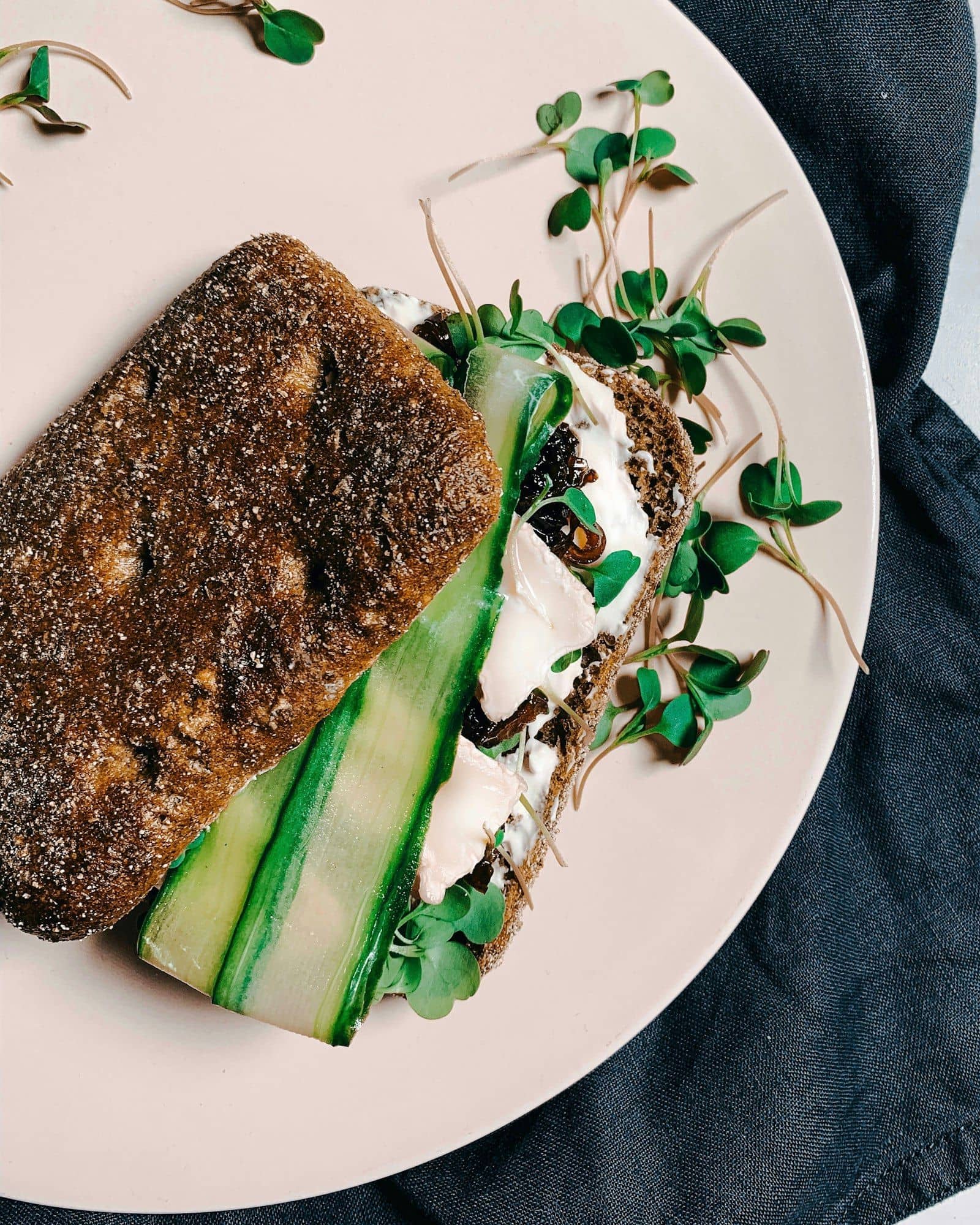
Sandwiches and wraps are where most people first try microgreens, and they are also where a small quantity goes furthest. Layer the greens directly on the filling, not next to wet chutney or sliced tomato, so they do not wilt before you eat. Radish and mustard microgreens suit cheese, paneer tikka, egg and chicken fillings. Sunflower, pea shoots and broccoli suit cucumber, potato and corn fillings.
On toast, spread hung curd, butter, avocado or peanut chutney, then press a layer of microgreens on top with salt, pepper and chilli flakes. For eggs, fold microgreens into an omelette just before you flip it closed, or scatter them over bhurji once it is off the stove. Frankies and kathi rolls take a handful inside the roll with onions and lemon.
Raw or cooked: what heat does to nutrients
Microgreens are usually eaten raw, and nutrient studies measure them raw. A USDA study of 25 commercial microgreens by Xiao and colleagues (2012) measured vitamin C, vitamin E, vitamin K and carotenoids, and found red cabbage, cilantro, garnet amaranth and green daikon radish highest in vitamin C. USDA's AgResearch Magazine reported that the microgreens contained about five times more vitamins and carotenoids than their mature plant counterparts, in the varieties tested.
Cooking changes those numbers. A 2018 study by Lee and colleagues tested blanching, boiling, microwaving and steaming on mature vegetables, not microgreens. Vitamin C retention ranged from 0 to 91.1 percent across the cooked samples, with the lowest retention after boiling and the highest generally after microwaving. Fat-soluble vitamins behaved differently: some cooked vegetables had more α-tocopherol and β-carotene than raw ones. The practical reading for microgreens is to eat them raw where you can, and in hot dishes to add them after the heat is off rather than boiling them in.
How much to eat: portion ideas
There is no official serving size for microgreens. Packs give a practical guide: fresh microgreens in India are sold mostly in 20 g, 50 g and 100 g packs. A 50 g pack spread over four plates of salad is 50 ÷ 4 = 12.5 g each; a 20 g pack over two parathas is 10 g each. Microgreens add flavour and colour to a meal rather than replacing vegetables, so use them alongside your usual sabzi, dal and salad. The ideas below show how a single pack stretches across a day or a week.
- Garnish: a pinch on each piece of chaat, dhokla or idli.
- Topping: a small handful on a paratha, dosa or bowl of poha, or 20 g ÷ 2 = 10 g each across two plates.
- Salad: a 50 g pack mixed into a family salad bowl for four, with other vegetables as the base.
- Weekly use: one 50 g pack split across three or four meals before it passes its best, usually within a few days of delivery.
Washing and storing microgreens
Wash microgreens just before you eat them, not when you bring them home. Penn State Extension advises washing in fresh drinking water before eating and notes that shelf life drops sharply after washing, so it recommends storing them cold and unwashed until use. The University of Maryland Extension gives the routine: rinse, pat dry, and use at once or refrigerate for up to 10 days. In the ICAR-IARI trial by Priti and colleagues, mungbean and mustard microgreens stayed acceptable for about 4 days at 4 °C and lentil for about 6 days, so plan to use a pack within a few days.
Microgreens are a raw food, so clean handling matters. The same ICAR-IARI study did not detect Salmonella or Listeria in its microgreens, and found washing reduced microbial counts only slightly, which is why clean growing and cold storage matter more than washing. The Seth review notes that sprouts generally carry a higher microbial load than microgreens. Store microgreens in a closed box in the refrigerator, keep them away from raw meat, and throw out any pack that smells, feels slimy or has gone yellow.
Fresh microgreens delivered in Pune
Garden & Acre delivers fresh microgreens in Pune and Pimpri-Chinchwad, from its own supply chain. Homes can take a weekly subscription so a fresh pack arrives before the last one runs out, which suits the short shelf life described above. Restaurants, cafés and hotels can arrange regular supply for salads, garnish and plating. Orders are placed on WhatsApp, where the current varieties and prices are shared.
Questions
What is the best way to eat microgreens?
Raw, or added at the end of cooking. Scatter them over salads, sandwiches, parathas, dosa, poha or chaat after the dish is off the heat, stir them into raita, or blend them into chutney and dips. Heat wilts them quickly, and boiling can remove much of the vitamin C in vegetables.
Can you cook microgreens?
You can, but they are so thin that they wilt in seconds, and cooking reduces some vitamins. A 2018 study found vitamin C retention in cooked vegetables ranged from 0 to 91.1 percent, lowest after boiling. Add microgreens to hot dishes after the heat is off, or stir them into tempering for a few seconds.
Which microgreens are best for salad?
Mix one mild variety with one sharp one. Sunflower (slightly sweet and nutty), pea shoots (sweet and pea-like) and amaranth (earthy) make a good base, and radish or mustard add pepperiness. Consumer studies found amaranth, beet and coriander microgreens widely accepted, while mung and lentil microgreens were less liked raw.
Do you need to wash microgreens before eating?
Yes, rinse them in clean drinking water just before eating, then pat dry. Penn State Extension advises storing them unwashed and cold, because washing shortens shelf life. The University of Maryland Extension says rinsed and dried microgreens can be refrigerated for up to 10 days, though many varieties are best within a few days.
How much microgreens should I eat a day?
There is no official serving size. In practice, a pinch garnishes a dish and a small handful tops a paratha or bowl of poha. A 50 g pack shared across four salad plates is 12.5 g each. Eat microgreens alongside your usual vegetables rather than in place of them.
How do you use microgreens in Indian food?
Add them to parathas, dosa, uttapam, idli, poha, upma, bread omelette, chaat, bhel, sev puri, raita and khichdi, always at the end. Blend coriander or methi microgreens into green chutney. An ICAR-authored review lists dosa, idli, roti, raita, khichdi and dhokla among suitable dishes.
Are microgreens the same as sprouts?
No. Sprouts are germinated seeds eaten whole, root and all, a few days after soaking. Microgreens are grown on for about a week or more and cut above the root once the first leaves open. A review by ICAR scientists notes sprouts generally carry a higher microbial load than microgreens, but both are raw foods that need clean handling.
Sources
- Growing Microgreens and Baby Greens Indoors — University of Maryland Extension
- A Step-By-Step Guide for Growing Microgreens at Home — Penn State Extension
- Singh et al. (2024), Emergence of microgreens as a valuable food, current understanding of their market and consumer perception: A review, Food Chemistry: X
- Seth et al. (2025), Microgreens: Functional Food for Nutrition and Dietary Diversification, Plants
- Lee et al. (2018), Effect of different cooking methods on the content of vitamins and true retention in selected vegetables, Food Science and Biotechnology
- Microgreens research feature (Xiao et al. 2012 nutrient study) — USDA ARS AgResearch Magazine, January 2014
- Priti et al. (2022), Yield optimization, microbial load analysis, and sensory evaluation of mungbean, lentil, and Indian mustard microgreens, PLoS One (ICAR-IARI)
- Hyperpure, Microgreen Radish 50 gm listing (read 24 September 2026)
- BigBasket, search results for microgreens (read 24 September 2026)