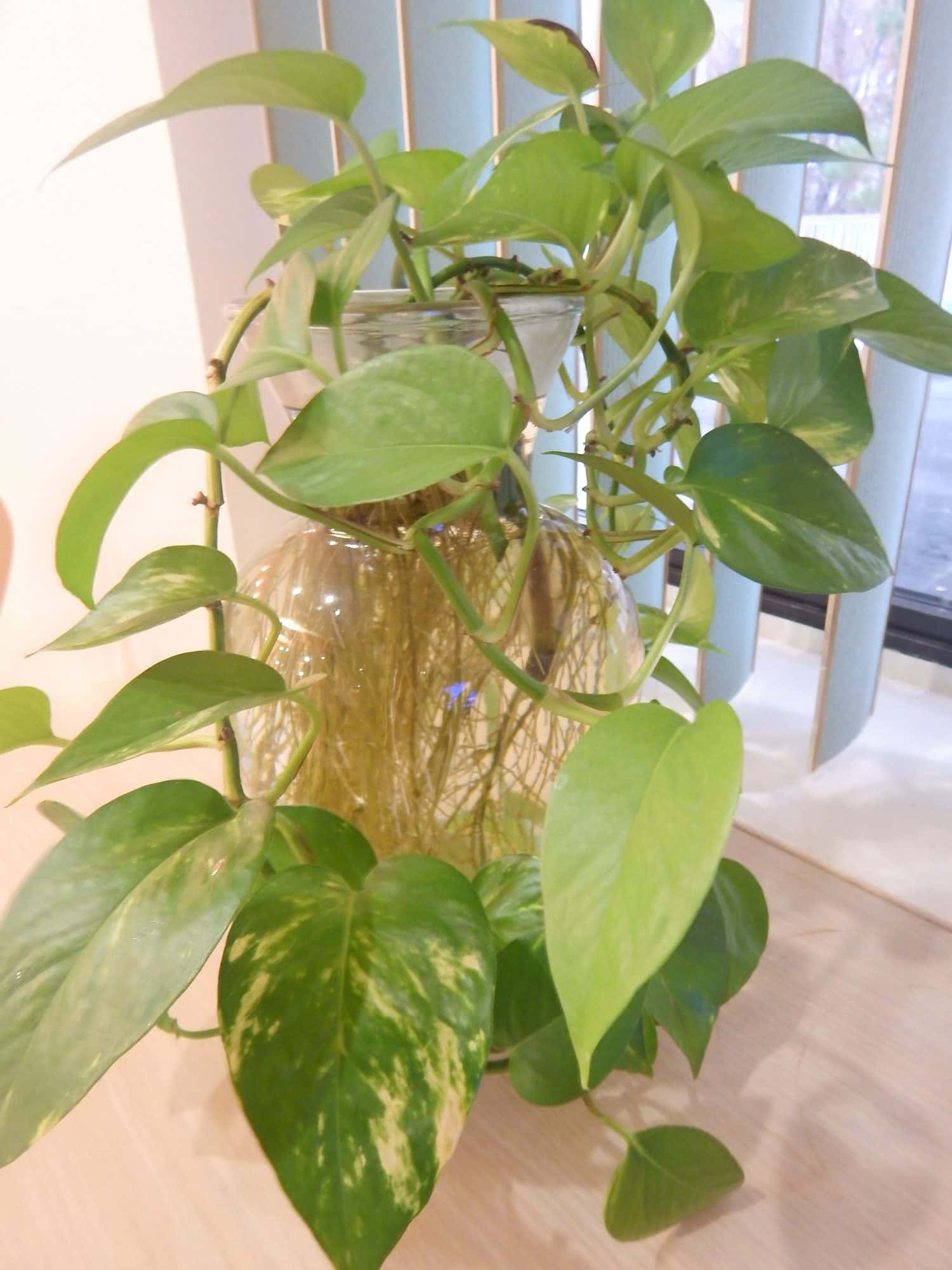
8 indoor plants that grow in water without soil, from money plant to monstera: how to root each one, how long it takes, water care, and when to move it to soil.
Updated 30 September 2026
Part 1
The 8 plants at a glance
These eight are the houseplants most often rooted in water. Water rooting works best for soft-stemmed plants; woody plants such as hibiscus and citrus usually rot before they root.
Most cuttings root in water in about 3–4 weeks, and soft stems can root within a week or two. Warmth, bright light and fresh water speed things up.
| Plant | What to cut | Roots show in | Safe for pets? |
|---|---|---|---|
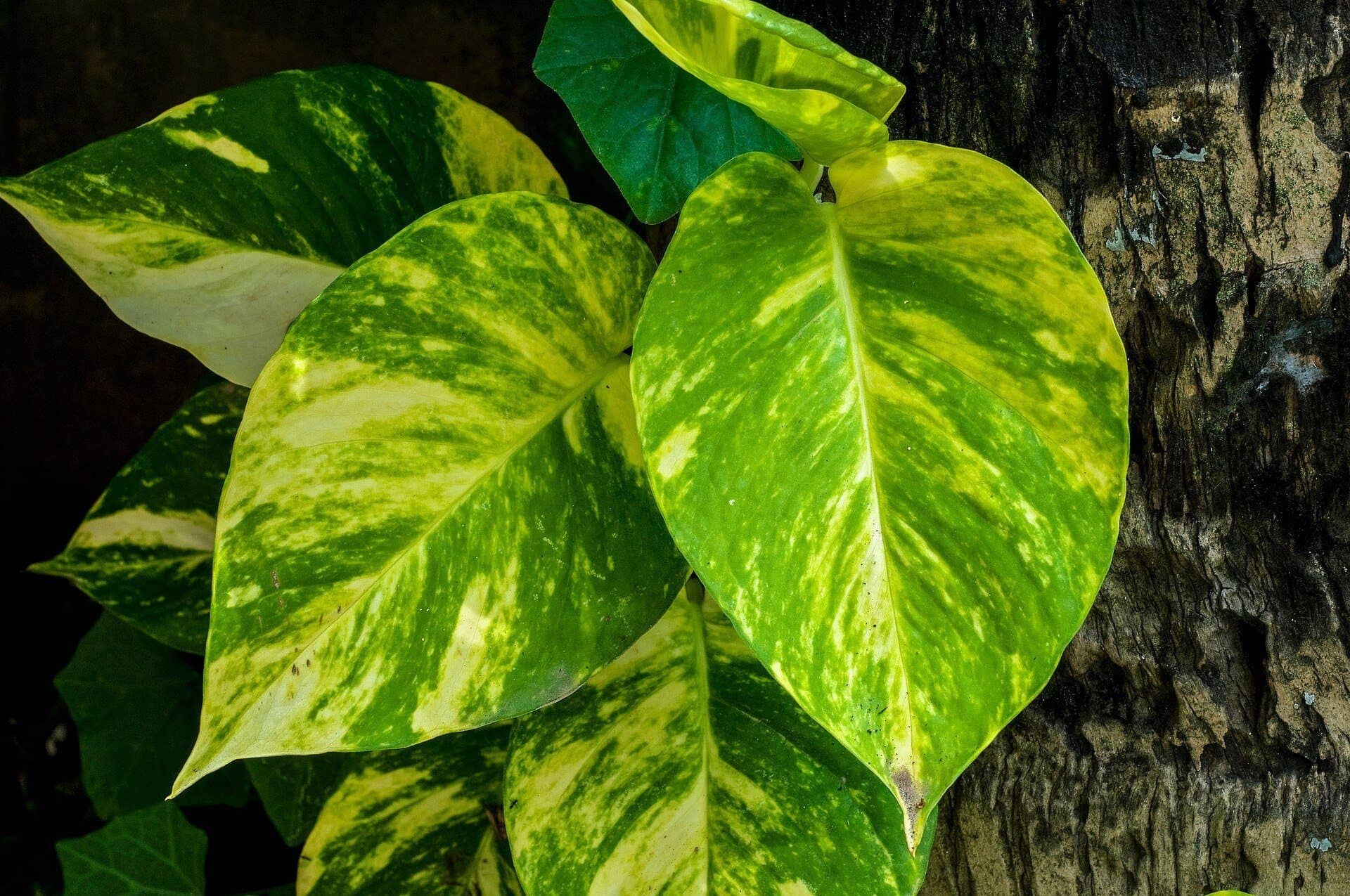
| Money plant (pothos, golden money plant), Epipremnum aureum | Stem with at least one node | About 10 days to 2 weeks | No, toxic to cats and dogs |
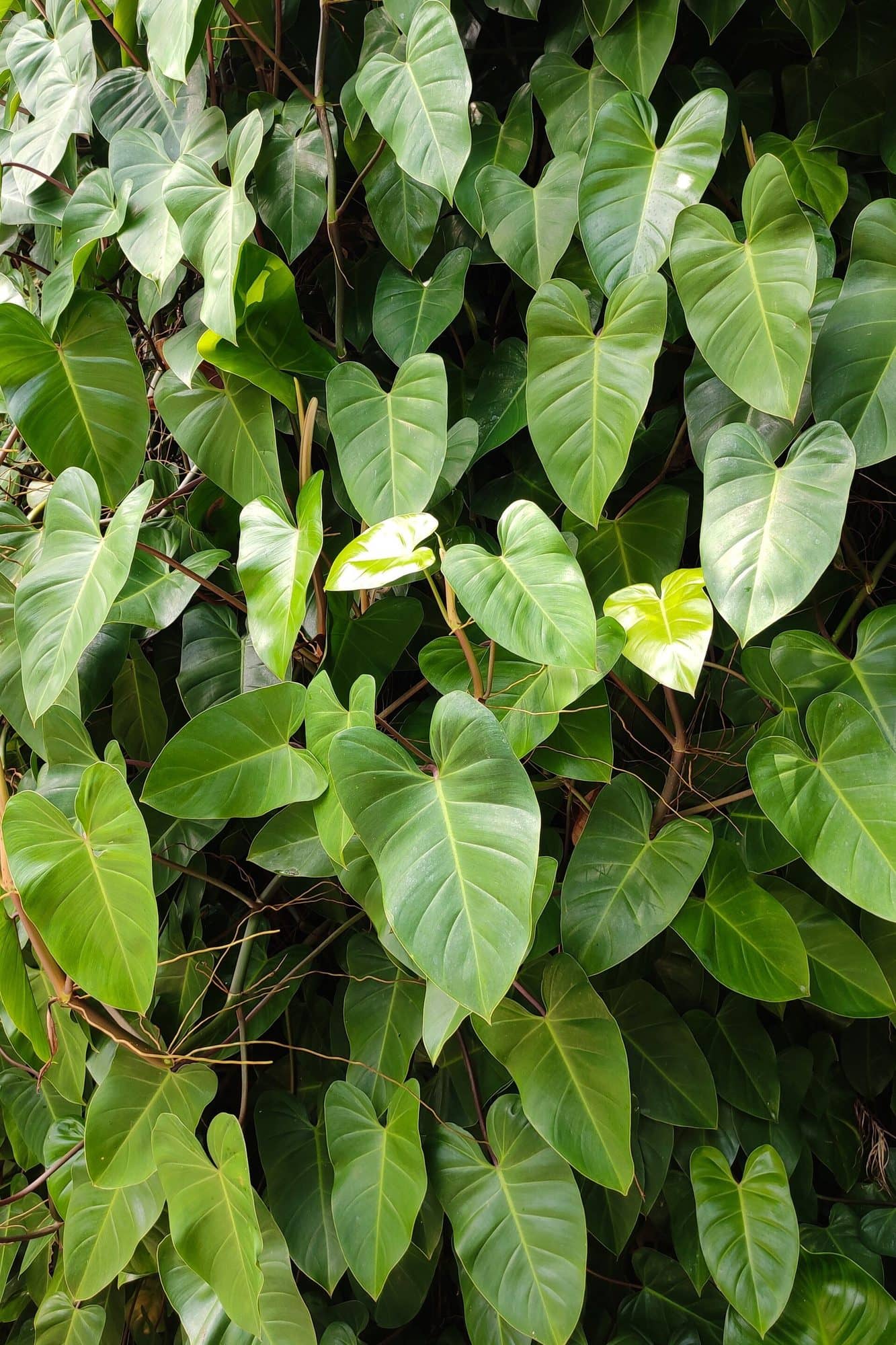
| Heartleaf philodendron, Philodendron hederaceum | Stem 8–15 cm long with a node | Several weeks | No, toxic to cats and dogs |
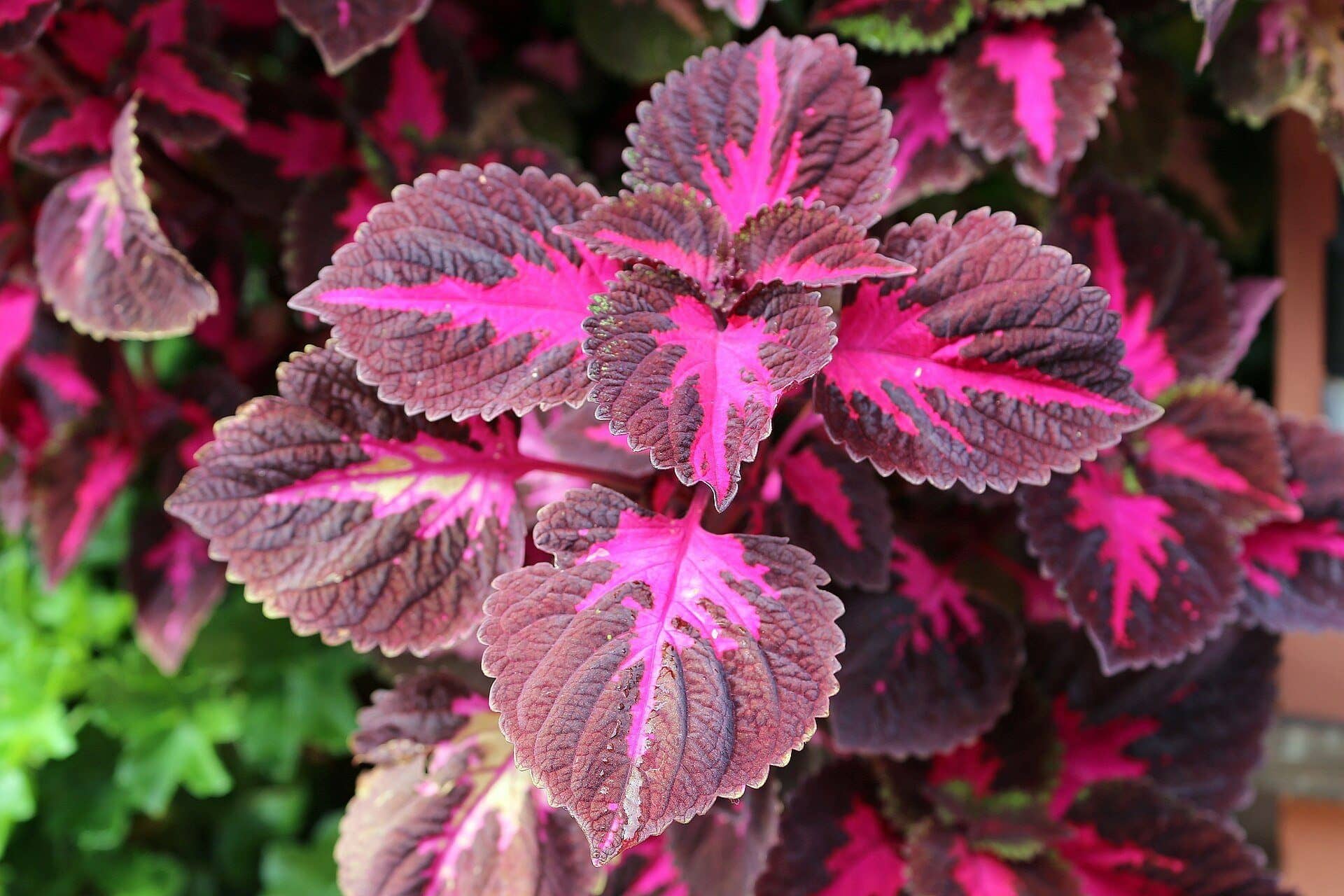
| Coleus, Coleus scutellarioides | Soft stem tip | About 2 weeks | Mild irritant; keep away from pets |
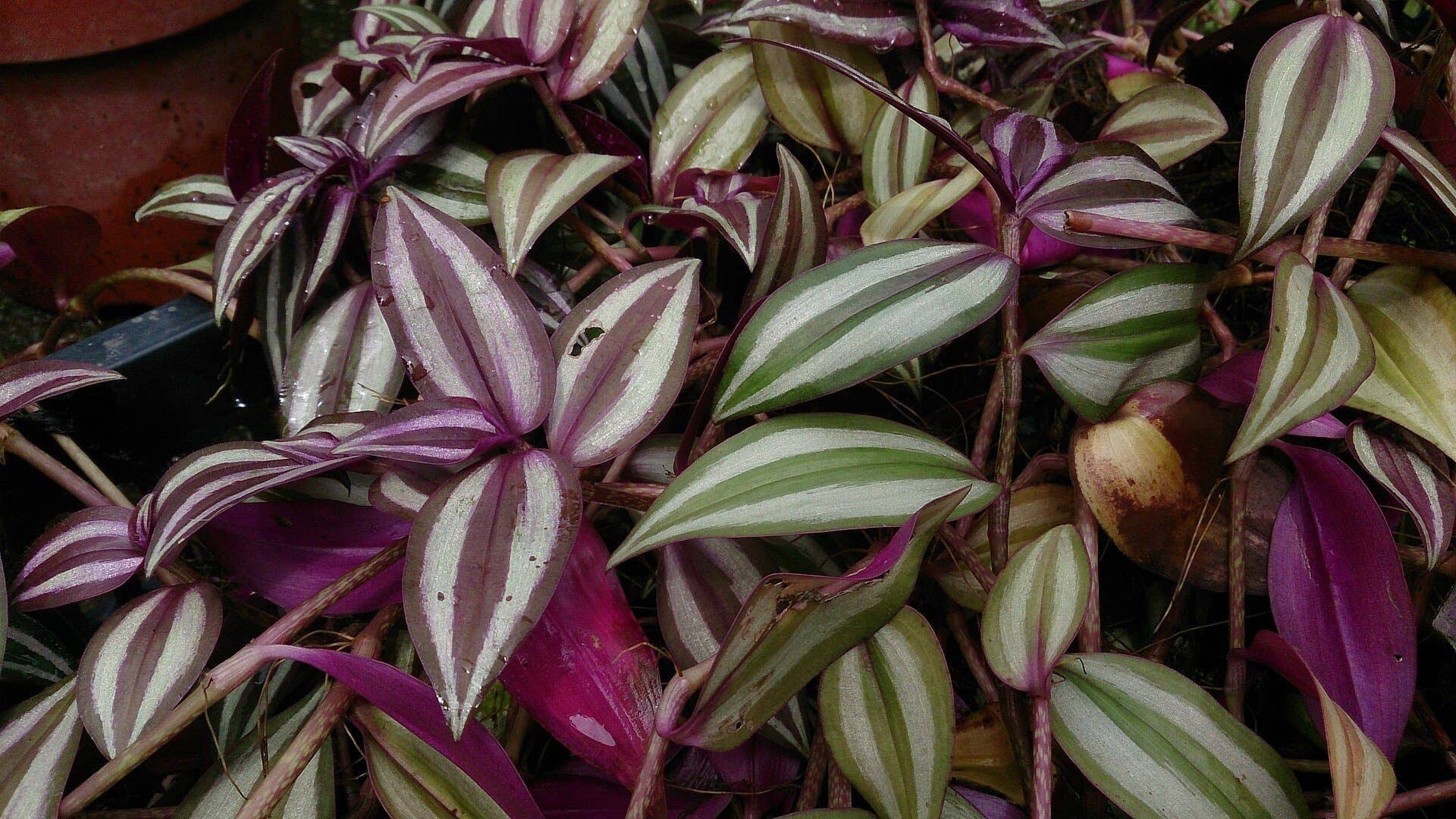
| Zebrina or wandering jew (tradescantia), Tradescantia zebrina | Stem tip; it roots at the nodes | 1–4 weeks | No, toxic to cats and dogs |
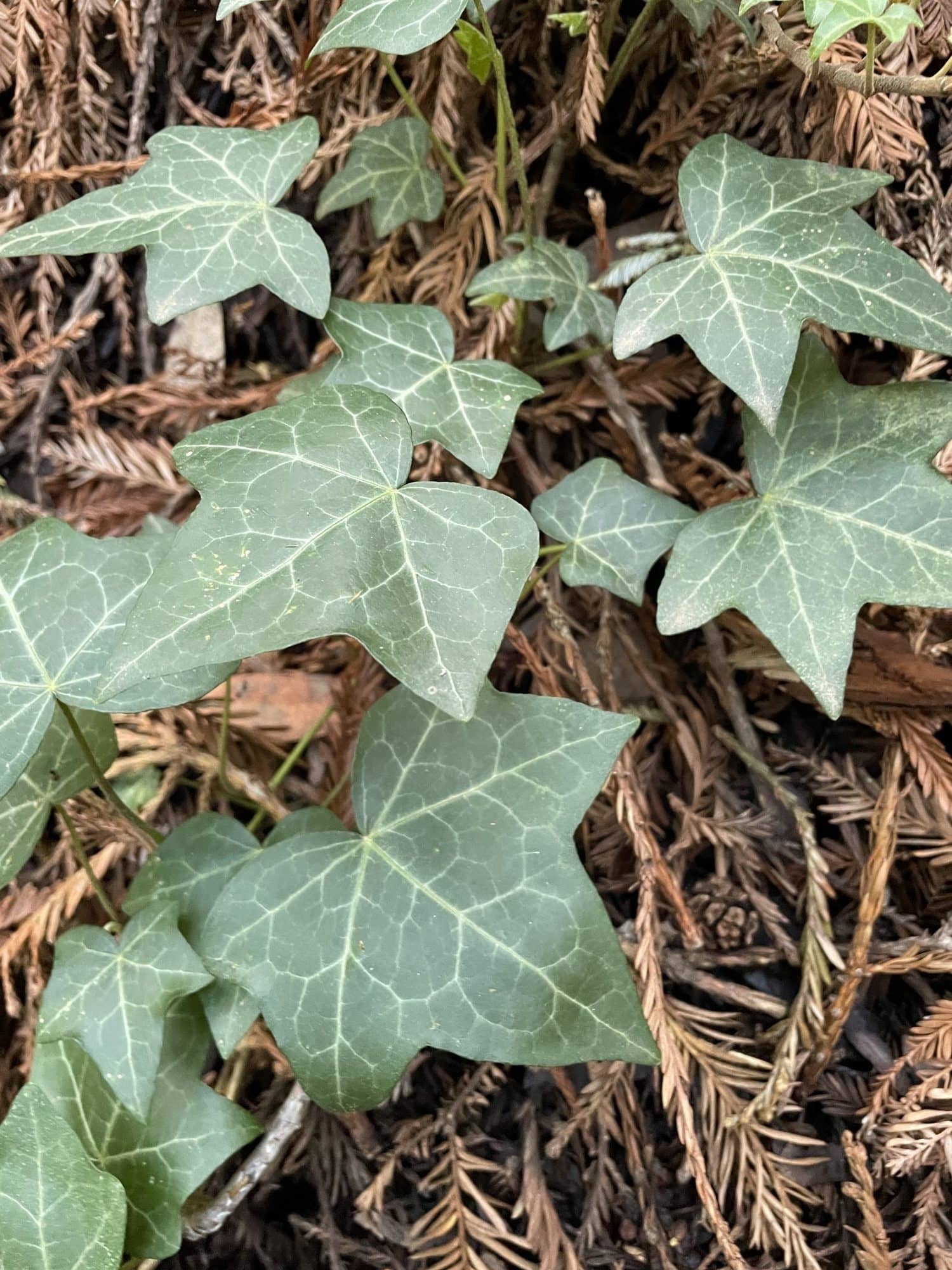
| English ivy, Hedera helix | Young stem tip | 3–4 weeks | No, toxic to cats and dogs |
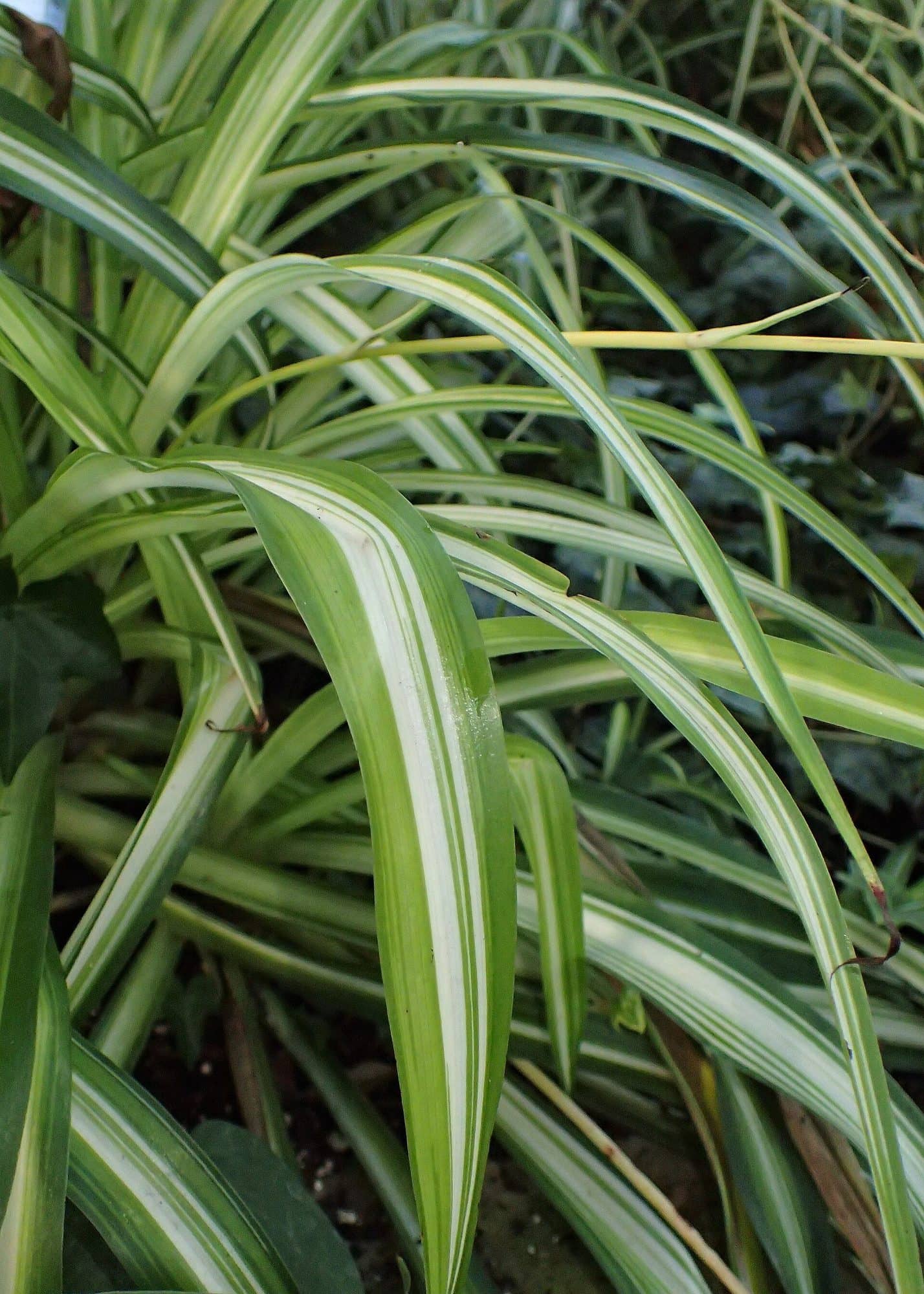
| Chlorophytum (spider plant), Chlorophytum comosum | The baby plantlets on the runners | 3–4 weeks | Yes, non-toxic |
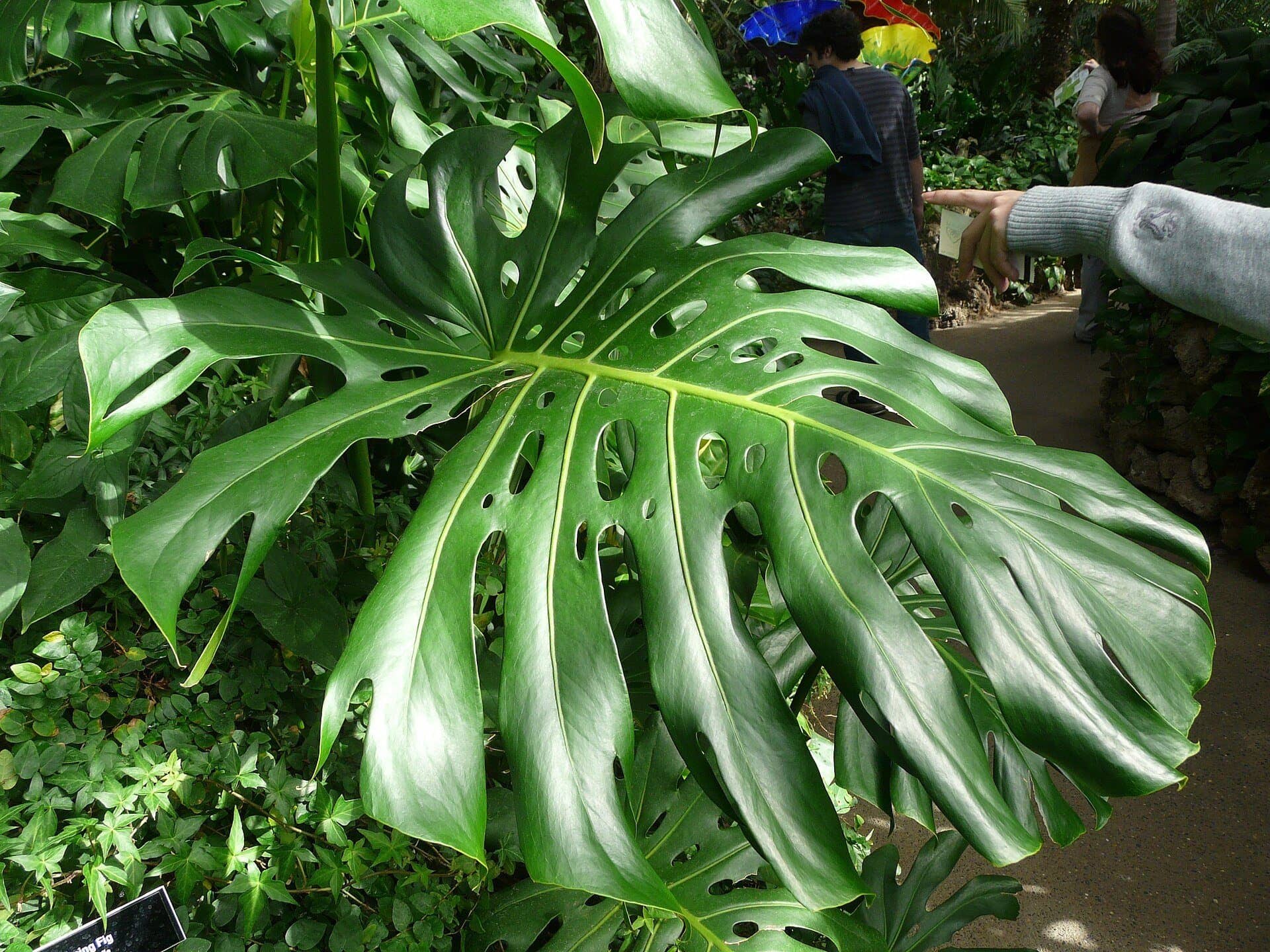
| Monstera (Swiss cheese plant), Monstera deliciosa | Stem section with a node (a leaf alone won't root) | 4 weeks or more | No, toxic to cats and dogs |
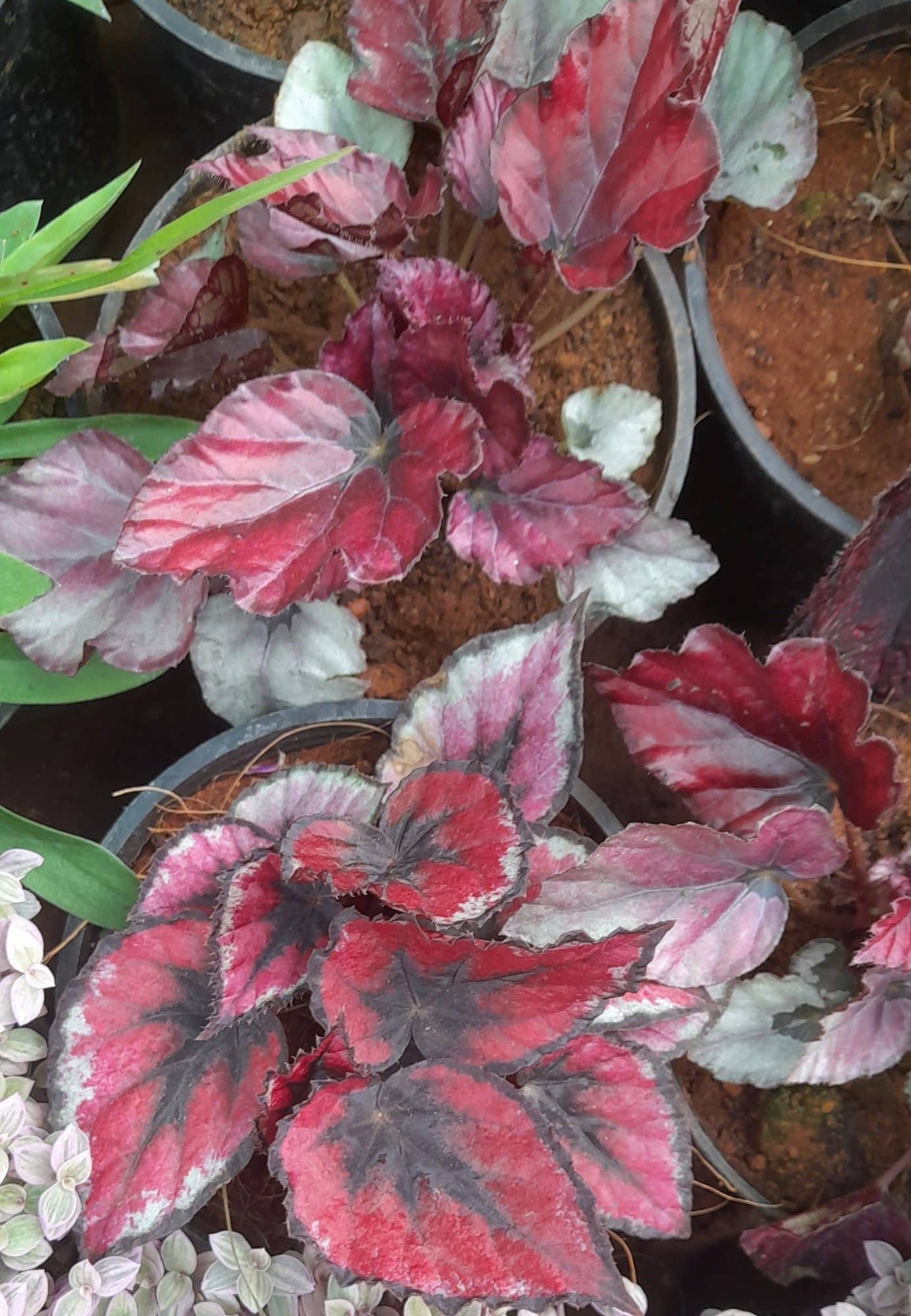
| Begonia, including rex begonia | A leaf with its stalk, or a stem tip | 3–4 weeks or more | No, toxic to cats and dogs |
Part 2
How to root a cutting in water, step by step
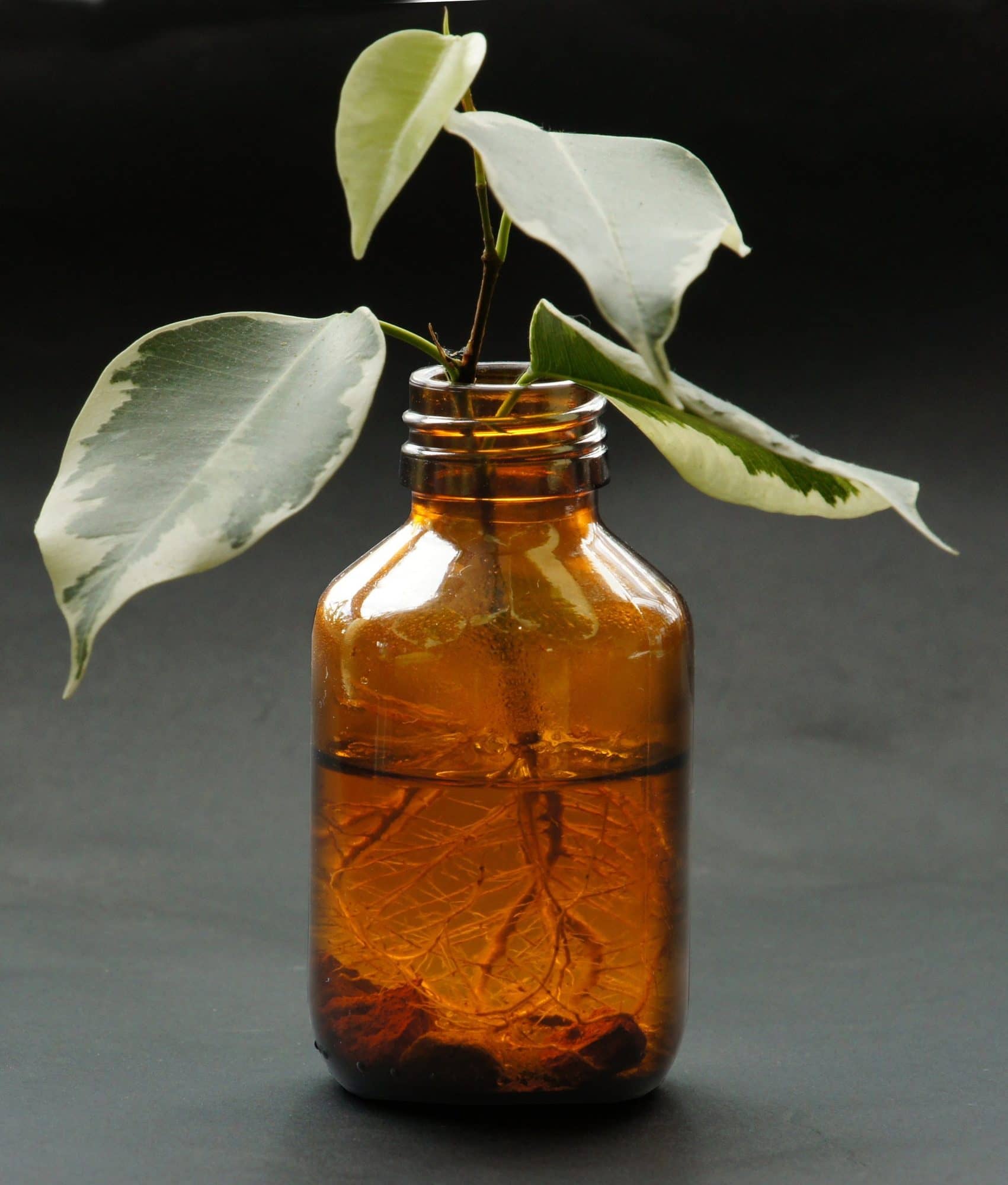
The method is the same for all eight plants.
- Choose a healthy, non-flowering stem. Take a piece 8–15 cm long with at least one node, the bump where a leaf joins the stem. Roots grow from the nodes.
- Cut just below a node with clean, sharp scissors or a knife.
- Strip the leaves from the lower one or two nodes. Nothing but bare stem should sit below the water, and remove any flowers too, because both rot underwater.
- Stand the cutting in a clear glass or jar of clean water so the bare nodes are covered and the leaves stay dry.
- Keep it in bright light out of direct sun: a window with morning light, or a spot a little back from a sunny window.
- Top up the water so the roots are never exposed, and change it once or twice a week, or whenever it turns cloudy.
- Wait. Soft stems such as coleus and money plant show roots first; monstera and begonia are slower.
Part 3
How to grow money plant in water
Money plant is the easiest plant to grow in water and the one most people start with. Its vines root easily in water as long as each cutting has at least one node. Cut the vine just above a node on the parent plant, then trim the cutting so a node sits at its base. Cuttings root best in spring and summer.
Roots begin to appear within about ten days, and cuttings are well rooted after about two weeks. Many Indian homes and offices then keep money plant in a glass bottle for good. Our plant library covers how to look after it once it is growing: top up the water weekly and change it every 1–2 weeks, and keep variegated plants within 1–2 m of a bright window so they stay variegated.
Part 4
The other seven, one by one
Heartleaf philodendron roots the same way as money plant. Stem pieces 8–15 cm long with a node root readily in water.
Coleus is one of the fastest. Cuttings root easily in water and have a full set of roots in about two weeks. Use a soft tip without flower spikes.
Zebrina, sold in Indian nurseries as wandering jew and known botanically as tradescantia, roots at the nodes along its stems, so almost any piece with a node will do.
English ivy roots easily in water. Use young green tips rather than old woody stems. Its sap can irritate skin, so wear gloves if you are sensitive.
Chlorophytum, as the spider plant is usually called in India, is propagated from the small plantlets that hang from its runners. Root them in water, then pot them into moist mix once the roots have formed. It is the only plant of the eight that is non-toxic to cats and dogs.
Monstera, also called the Swiss cheese plant, needs a stem section with a node, because a leaf on its own has nothing to grow from. The stems are thick and can rot before they root, so change the water often.
Begonias root easily in water. For rex begonia, leaf cuttings laid on compost are the more reliable method; a leaf with its stalk in water also works, but it is slower.
Part 5
Can plants live in water permanently?
Some can live in water for a long time, but most do better in soil in the end. Roots need oxygen, and the roots of most plants die in stagnant water, which is why a jar needs fresh water often. A money plant kept in water for years usually survives, but it rarely thrives.
If you want a plant to stay in water, money plant is the best choice, and changing the water regularly matters more than anything else. Don't add fertiliser while a cutting is rooting; the stem's stored food is enough. For long-term growing without soil, some growers use clay pebbles (LECA), but moving a plant from soil to this semi-hydroponic setup is tricky for beginners and risks root rot.
Part 6
When and how to move a cutting to soil
Pot up once the roots are about 2.5–5 cm long. Waiting much longer does not help, because roots grown in water are different from roots grown in soil.
Water roots are coarser and weaker than soil roots and not well adapted to potting soil, so a newly potted cutting may wilt, drop leaves or lose leaf tips. To ease the change, use a light, well-drained potting mix, water it well at potting and keep it evenly moist for the first two or three weeks, in bright indirect light.
Part 7
Why cuttings rot in water, and how to fix it
Rot is the most common failure. Bacteria in the water cause most of it, and thick stems can rot before they root. The table sets out the usual causes and fixes.
| What you see | Likely cause | What to do |
|---|---|---|
| Cloudy, smelly water; slimy stem | Bacteria in old water | Cut off the soft part, rinse the jar, change the water twice a week |
| Black, mushy leaves at the waterline | Leaves or flowers left underwater | Strip everything below the water surface |
| Stem rots before any roots | Woody or very thick stem | Use younger, softer stems; choose soft-stemmed plants |
| No roots after a month | No node underwater, low light or cool weather | Re-cut below a node; move to brighter indirect light |
| Wilting after potting | Water roots adjusting to soil | Keep the mix evenly moist and out of direct sun for 2–3 weeks |
Part 8
Plants in water for offices
Glass jars of money plant and philodendron are common on office desks and reception counters because they need no soil and very little care. For larger spaces, Garden & Acre supplies office plants on rent with a trained gardener on a fixed day, and replaces any plant that declines. Homes can get plants on monthly rotation, or a gardener on weekly visits.
Questions
Which indoor plants can grow in water without soil?
Money plant (pothos), heartleaf philodendron, coleus, zebrina (tradescantia), English ivy, chlorophytum (spider plant), monstera and begonias all root in plain water. Soft-stemmed plants work best; woody plants such as hibiscus and citrus usually rot before rooting.
How long do cuttings take to root in water?
Usually 10 days to 4 weeks. Money plant roots begin to show within about ten days, and coleus and money plant are well rooted after about two weeks. Thick stems such as monstera can take longer.
Can money plant grow in water permanently?
Yes, money plant can live in water for a long time if the water is topped up weekly and changed every 1–2 weeks. It survives better than it thrives: roots need oxygen and most roots die in stagnant water, so fresh water matters most.
How often should I change the water for cuttings?
Once or twice a week, and whenever it looks cloudy. Never let the level drop so the roots are exposed.
Should I cut above or below the node?
Cut the base of the cutting just below a node, because roots grow from the node. On the parent plant, cutting just above a node leaves a node behind to regrow.
When should I move a water-rooted cutting to soil?
When the roots are about 2.5–5 cm long. Roots grown in water are coarser than soil roots, so keep the new pot evenly moist for the first two or three weeks while the plant adjusts.
Do plants in water need fertiliser?
Not while they are rooting; the cutting's stored food is enough. A plant you keep in water for months will eventually run short of nutrients, which is one reason most plants do better once potted.
Which plants that grow in water are safe for cats and dogs?
Of these eight, only chlorophytum (spider plant) is non-toxic to cats and dogs. Money plant, philodendron, monstera, English ivy, zebrina and begonia are toxic to them, so keep jars out of reach of pets.