Aeroponic and hydroponic tower prices in India: 12 to 80 plant towers from about ₹2,500, running costs, what grows in them and whether a tower pays back.
Updated 21 October 2026
Part 1
What an aeroponic tower is, and how it differs from a hydroponic tower
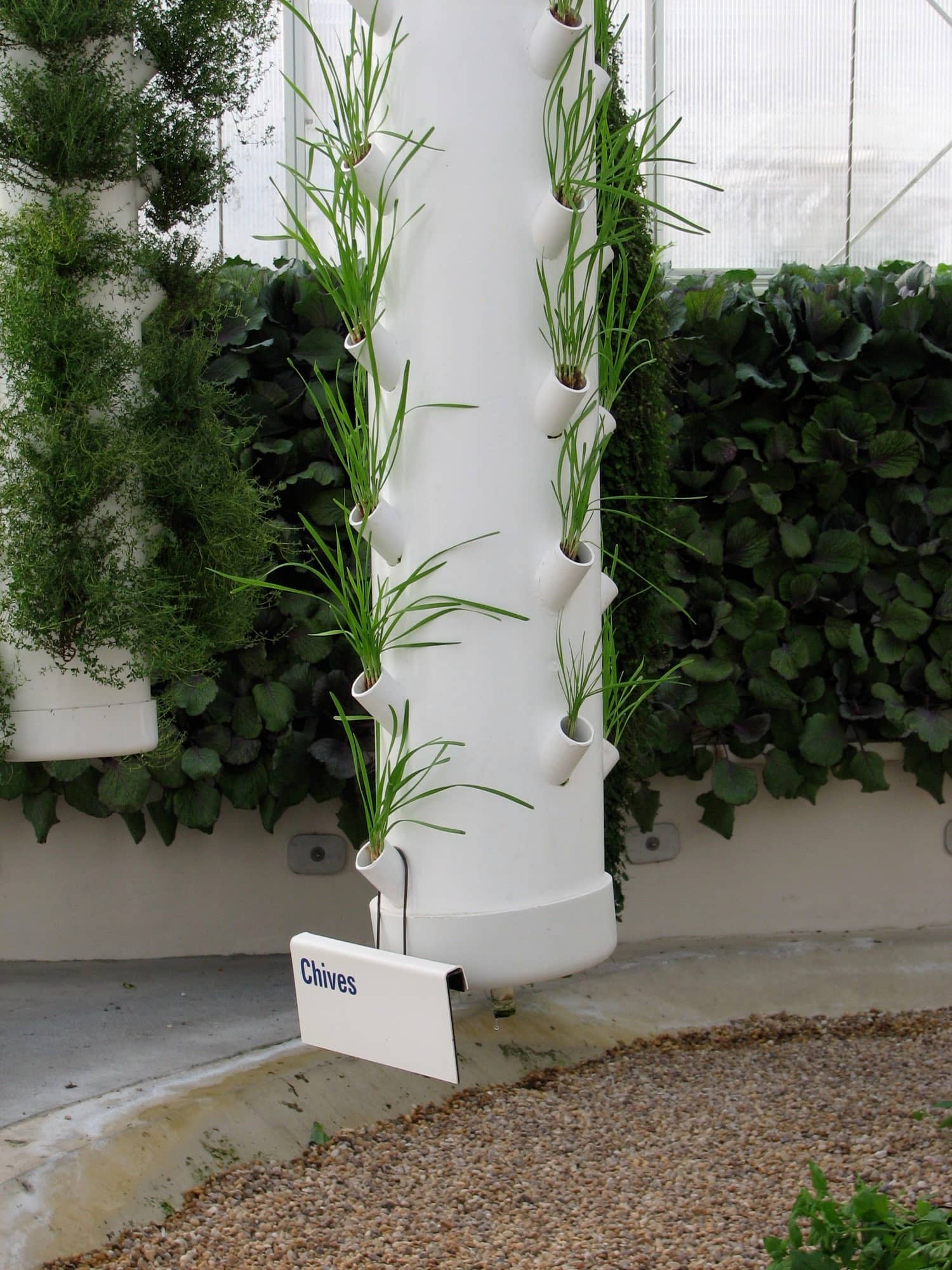
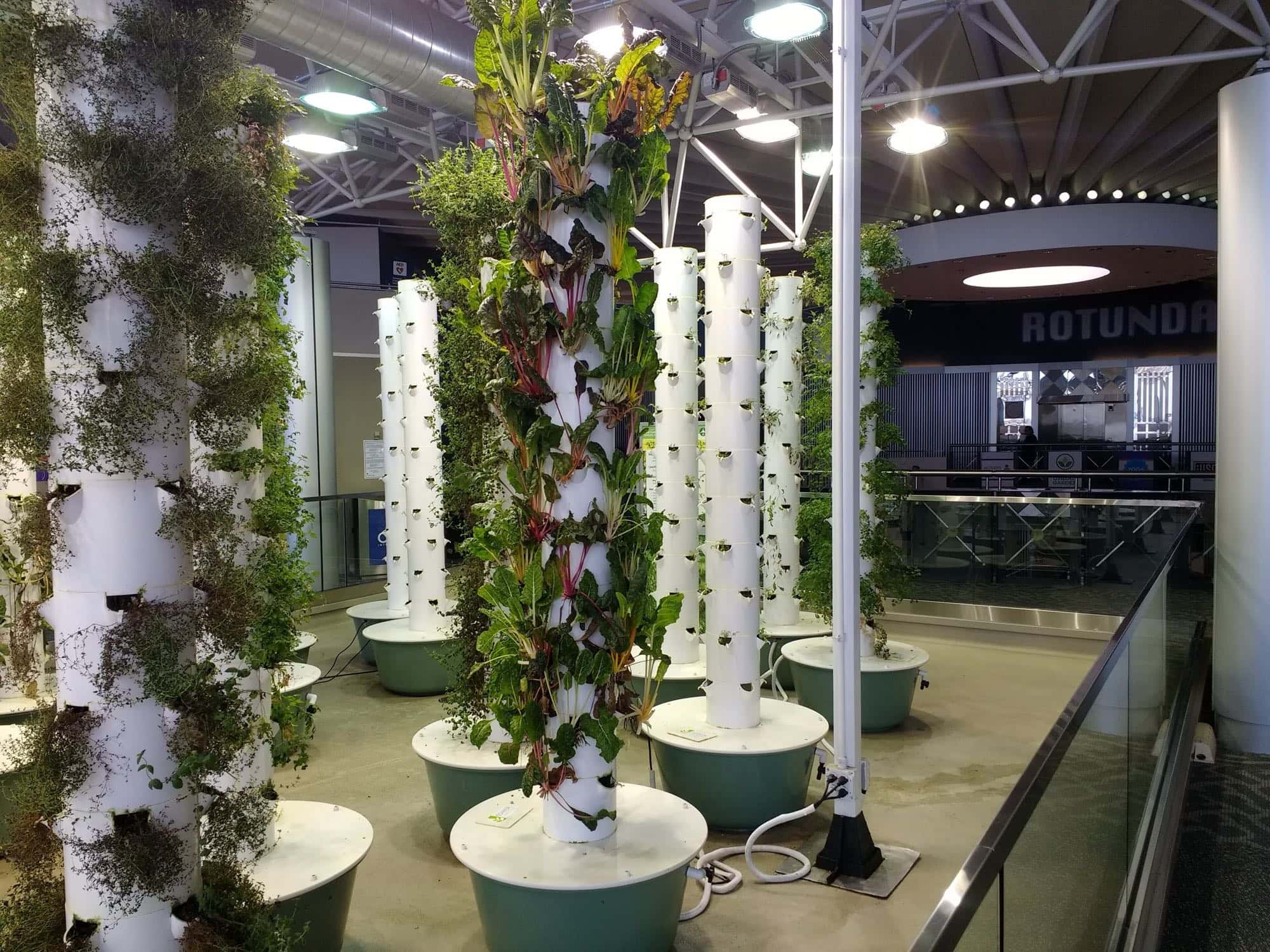
An aeroponic tower is a hollow column, usually 1.2–1.7 metres tall, with angled pockets up its sides. A tank at the base holds water mixed with plant nutrients. A small submersible pump lifts that water up a pipe in the middle, it sprays or showers out at the top, and it trickles back down over the roots, which hang inside the column in damp air. No soil is used: each plant sits in a net pot with a plug of coco peat or a sponge.
In a true hydroponic tower the roots sit in a growing medium or in a thin film of water instead of hanging in air. In shops in India the two words are used for the same product, and most home towers are sold as "hydroponic and aeroponic" towers. For a home grower the difference hardly matters: both need the tank topped up, the nutrients and pH checked, and the pump running on a timer.
The appeal is space. A tower grows 20–40 plants in about 2 by 2 feet of floor, where the same number of plants in pots or grow bags would take a whole balcony wall. The Vertical farming hub on this site has a longer article on aeroponic farming, its history and how commercial farms use it.
Part 2
Aeroponic tower price in India (October 2026)
Prices below are approximate selling prices we saw online and from Indian makers in October 2026, rounded. They change often and vary with the tank size, the pump and what comes in the box, so use them to compare, not as quotes.
One plant site usually means one plant. Some makers count two seedlings per pocket and advertise double the number, so compare towers by the number of pockets, not by the plant count on the box.
| Tower | What you get | Approximate price |
|---|---|---|
| Small home tower, 12–20 pockets | Column, tank, pump; often seeds, coco discs and a starter nutrient | ₹2,500–4,000 |
| Home tower, 30–40 pockets | Taller column, 40–65 litre tank, pump, sometimes a timer | ₹3,500–8,000 |
| Heavier 40–48 pocket tower | Thicker plastic, bigger tank, timer and a complete set-up | ₹8,000–12,000 |
| Indoor tower with grow light, about 32 pockets | Tower plus LED light bars around it | About ₹15,000 |
| Commercial tower, 72–80 pockets | Large tank and pump, for terraces, cafés and farms | ₹10,000–32,000 |
| Imported towers | International brands, shipped in | ₹20,000 to over ₹85,000 |
| A-frame or multi-tower systems, 150–200 plants | Several columns on one tank and pump | ₹40,000–1,00,000 |
Part 3
What it costs to run each month
Electricity is the smallest cost. Most home towers use a 20–35 watt pump. Run on a timer for 15 minutes on and 15 minutes off through the day, it pumps about six hours a day and uses roughly 4–6 units (kWh) a month: about ₹30–65 at ₹8–10 a unit. Left running round the clock it uses about 14–25 units, or ₹115–250 a month. A timer pays for itself.
Nutrients cost about ₹1.5–2 per litre of ready solution. A 40–65 litre tank that is emptied every two to three weeks and topped up in between needs about 100–150 litres a month, so about ₹150–300. Seeds cost ₹200–250 a packet and last many plantings; ready seedlings are about ₹8 each. Net pots cost a rupee or two each and can be washed and reused.
If you add a grow light for an indoor spot, budget for its power too: a 40 watt light on for 14 hours a day uses about 17 units a month, or ₹135–170.
| Item | How we worked it out | Per month |
|---|---|---|
| Pump power, on a timer | 20–35 W × about 6 h a day × ₹8–10 a unit | ₹30–65 |
| Pump power, non-stop | 20–35 W × 24 h a day × ₹8–10 a unit | ₹115–250 |
| Nutrients | 100–150 litres of solution × ₹1.5–2 a litre | ₹150–300 |
| Seeds or seedlings | A packet lasts months; seedlings ₹8 each | ₹30–150 |
| Grow light (indoors only) | 40 W × 14 h a day × ₹8–10 a unit | ₹135–170 |
Part 4
What grows well in an aeroponic tower
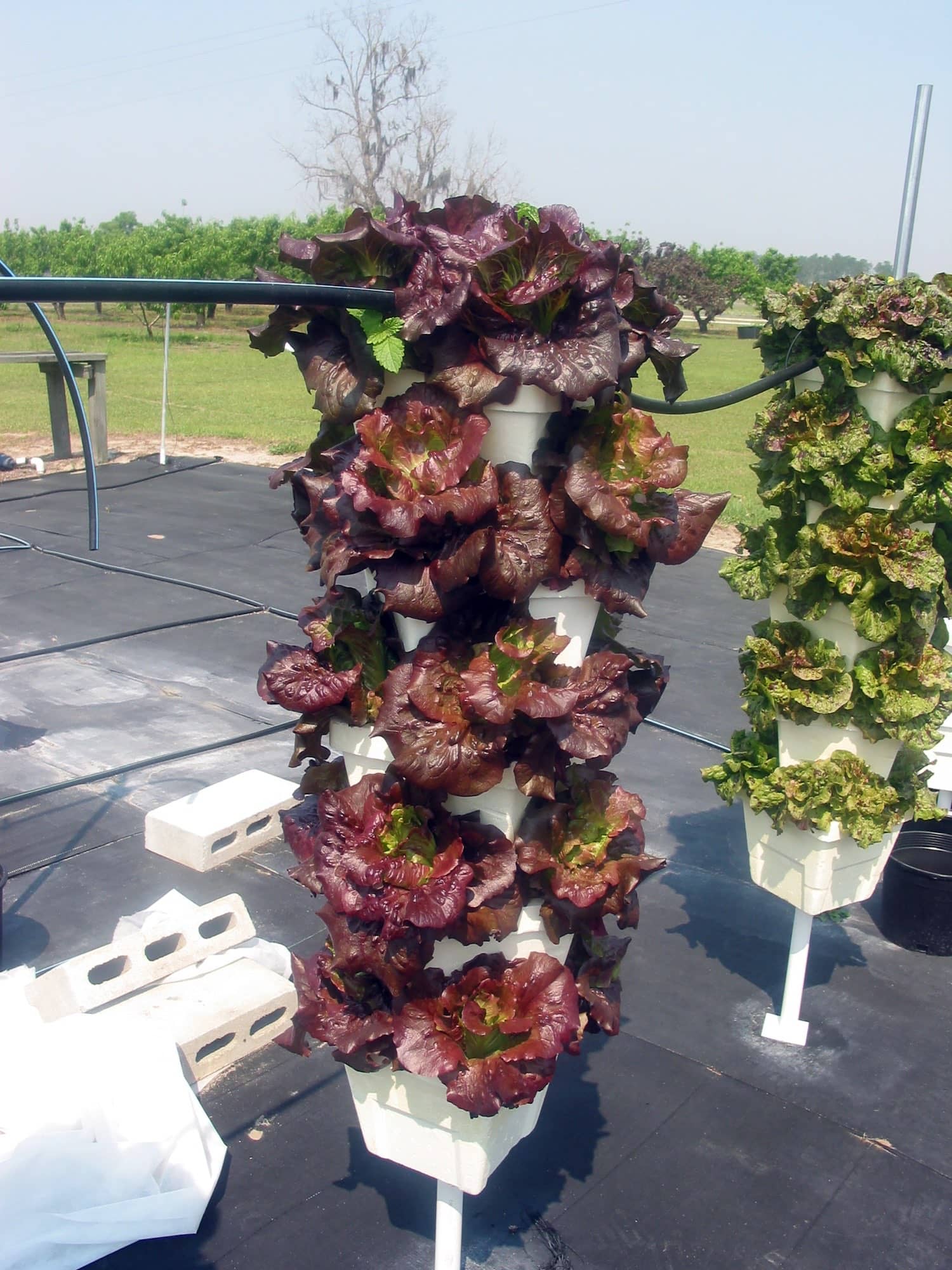
Leafy greens and herbs are what towers do best: they grow fast, stay small and are picked leaf by leaf. Lettuce (salad patta), palak, methi, pak choi, kale, amaranth (chaulai), pudina, tulsi and Italian basil, celery and spring onion all do well. Most leafy greens are ready about four to six weeks after the seedling goes into the tower.
Dhania (coriander) grows well in the cool months but bolts to seed quickly in summer heat. Strawberries do well from November to February in most of India, in the lower pockets where they get support. Cherry tomatoes, chillies and capsicum can be grown in the top pockets with a cage or string to hold them up, but they need full sun and a strong nutrient mix, and one plant shades the pockets below it.
Root and tuber crops, such as carrot, mooli, beetroot and potato, and big vines such as lauki or pumpkin are not suited to a tower. Grow those in grow bags or raised beds.
Part 5
Where to keep it: balcony, terrace or indoors
On a balcony or terrace a tower needs at least four to six hours of direct sun a day. South- and west-facing balconies usually get it; north-facing ones usually do not. Keep it within reach of a power socket for the pump, out of strong wind (tall towers can tip when the tank is low) and where splashes from topping up will not stain the floor.
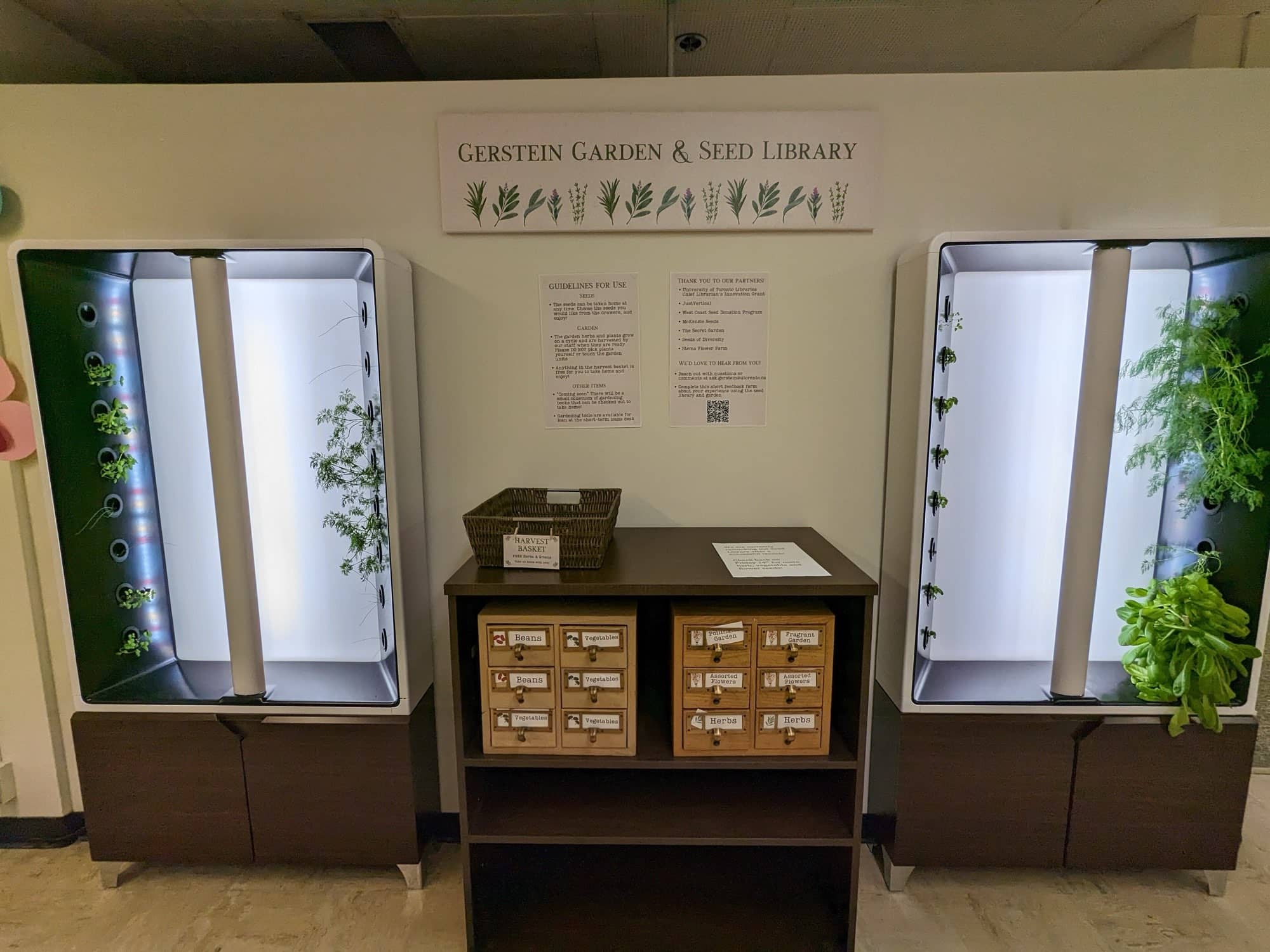
Indoors a tower needs a grow light around it, because light through a window is not enough for greens to grow full and leafy. Expect to add the light's cost and its power to the figures above.
On a terrace, check that the spot can take the weight: a full 60 litre tank weighs about 60 kg on a small footprint, which is fine on a normal roof slab but worth knowing if the tower sits on a weak parapet ledge or a balcony cantilever.
Part 6
Indian summers: keep the water cool
Heat is the main reason towers fail in India. The nutrient water is best below about 26 °C. Above about 28–30 °C it holds much less oxygen, roots turn brown and slimy, and the plants wilt even though they are standing in water. In April, May and June in north and central India a tank in full sun can get far hotter than that.
Keep the tank itself in shade, even if the column is in the sun: a white or light-coloured tank, a wrap of insulation or a sheet of board around it helps. Top up with cool water, not water from a sun-baked overhead tank. A 35–50 percent shade net over the tower in the hottest weeks keeps leaves from scorching. In peak summer, switch to heat-tolerant crops such as amaranth, basil and pak choi and save lettuce for the cooler months.
Part 7
Care: pH, nutrients and cleaning
A tower takes about ten minutes a few times a week once it is running: a look at the water level, a pH and EC reading, and picking.
- Check the pH once or twice a week and keep it between 5.5 and 6.5. A cheap pH pen and a bottle of pH-down solution are enough.
- Check the strength with an EC or TDS meter. For leafy greens an EC of about 1.2–1.8 suits most crops; follow the dose on your nutrient bottle and adjust from there.
- Top up with plain water as the tank level drops, and empty and refill the whole tank every two to three weeks so the nutrients stay balanced.
- Between crops, wash the tank, pump and column with a mild disinfectant and rinse well, so algae and root disease do not carry over.
- Clean the pump filter every month. A blocked pump is the most common reason a tower suddenly dries out.
- If power cuts are frequent, keep the pump on an inverter line: roots hanging in air dry out within hours if water stops flowing on a hot day.
Part 8
Tower, NFT channels or grow bags: which to choose
For a small balcony that wants salad and herbs, a tower makes the most of the space. For a terrace that wants tomatoes, brinjal, bhindi and root crops as well, grow bags or raised beds are simpler and cheaper, and a tower can stand alongside them for the greens. Our guides to hydroponic farming and to a kitchen garden at home go further into both.
| Aeroponic tower | NFT channels | Grow bags or raised beds | |
|---|---|---|---|
| Space for about 30 plants | About 2 × 2 ft of floor | A 6–8 ft wall or frame | A large part of a terrace |
| Power | Small pump on a timer | Small pump, runs longer | None |
| Best for | Greens, herbs, strawberries | Lettuce and herbs | Vegetables, roots, vines |
| Water use | Low; recirculated | Low; recirculated | Higher; drains away |
| Daily effort | Low, but needs checks | Low, but needs checks | Watering, weeding |
| Handles summer heat | Needs shade and cool water | Needs shade and cool water | Easiest |
| Up-front cost | ₹2,500–8,000 for a home tower | Similar or more, made to size | Lowest |
Part 9
Is an aeroponic tower worth it? A payback estimate
Whether a tower pays back depends on how many greens and herbs you actually buy, so the table works backwards from that instead of guessing a harvest. It assumes a ₹5,000 home tower and about ₹300 a month to run it (power on a timer, nutrients and seeds). These are estimates; your costs and harvest will differ.
- It pays fastest on exotic greens such as lettuce, basil, kale and pak choi, which cost much more in shops than palak or methi.
- It pays slowly if you mainly eat greens that are cheap at the local sabzi mandi.
- Most families who keep a tower do it for fresh, clean greens picked minutes before a meal, and for children who see food grow, not only to save money.
| Greens and herbs you no longer buy | Saving after running costs | Tower paid back in about |
|---|---|---|
| ₹500 a month | ₹200 a month | 25 months |
| ₹1,000 a month | ₹700 a month | 7 months |
| ₹1,500 a month | ₹1,200 a month | 4 months |
| ₹2,000 a month (a café or a family that eats salad daily) | ₹1,700 a month | 3 months |
Part 10
Towers for offices, cafeterias and schools
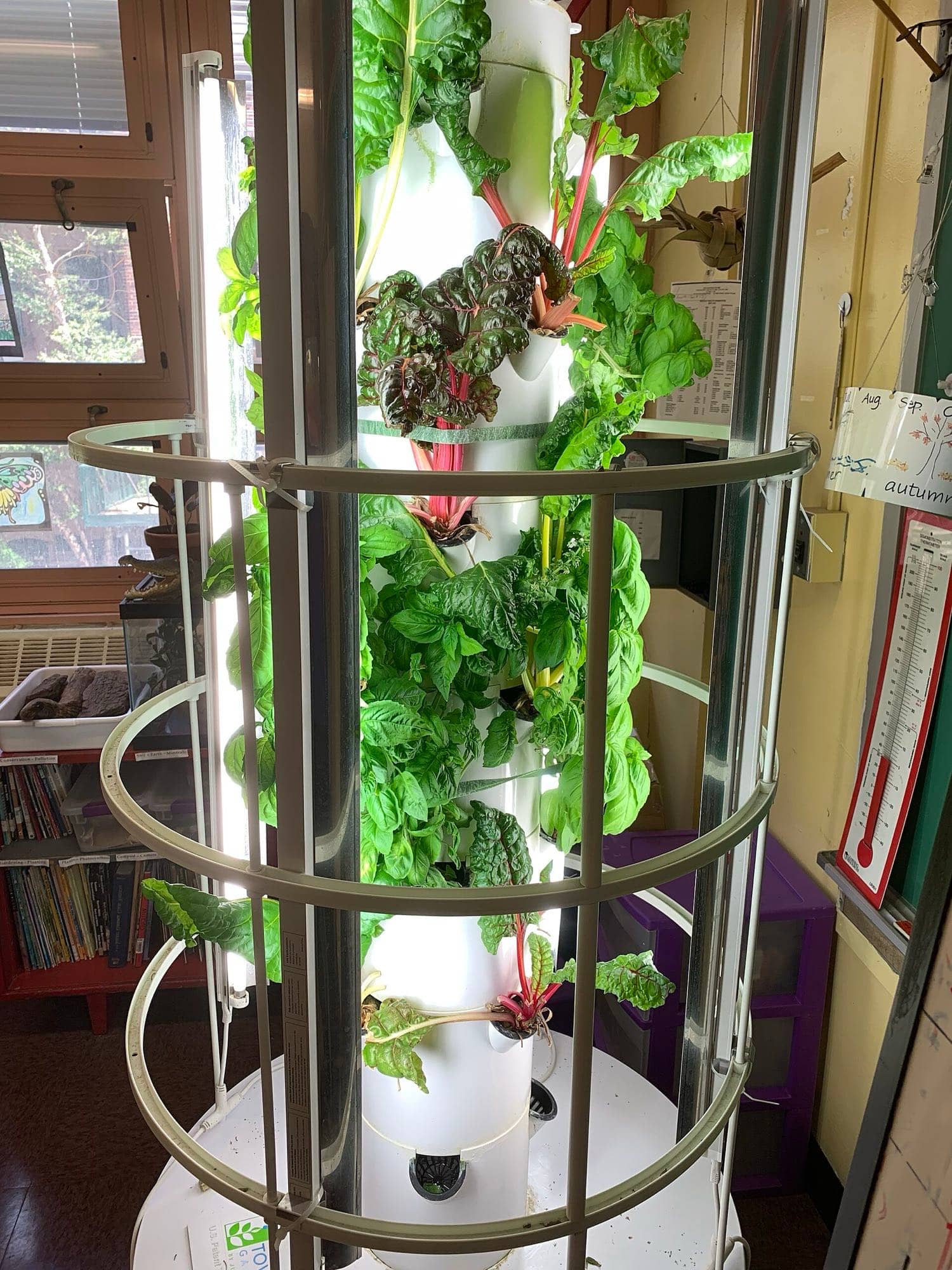
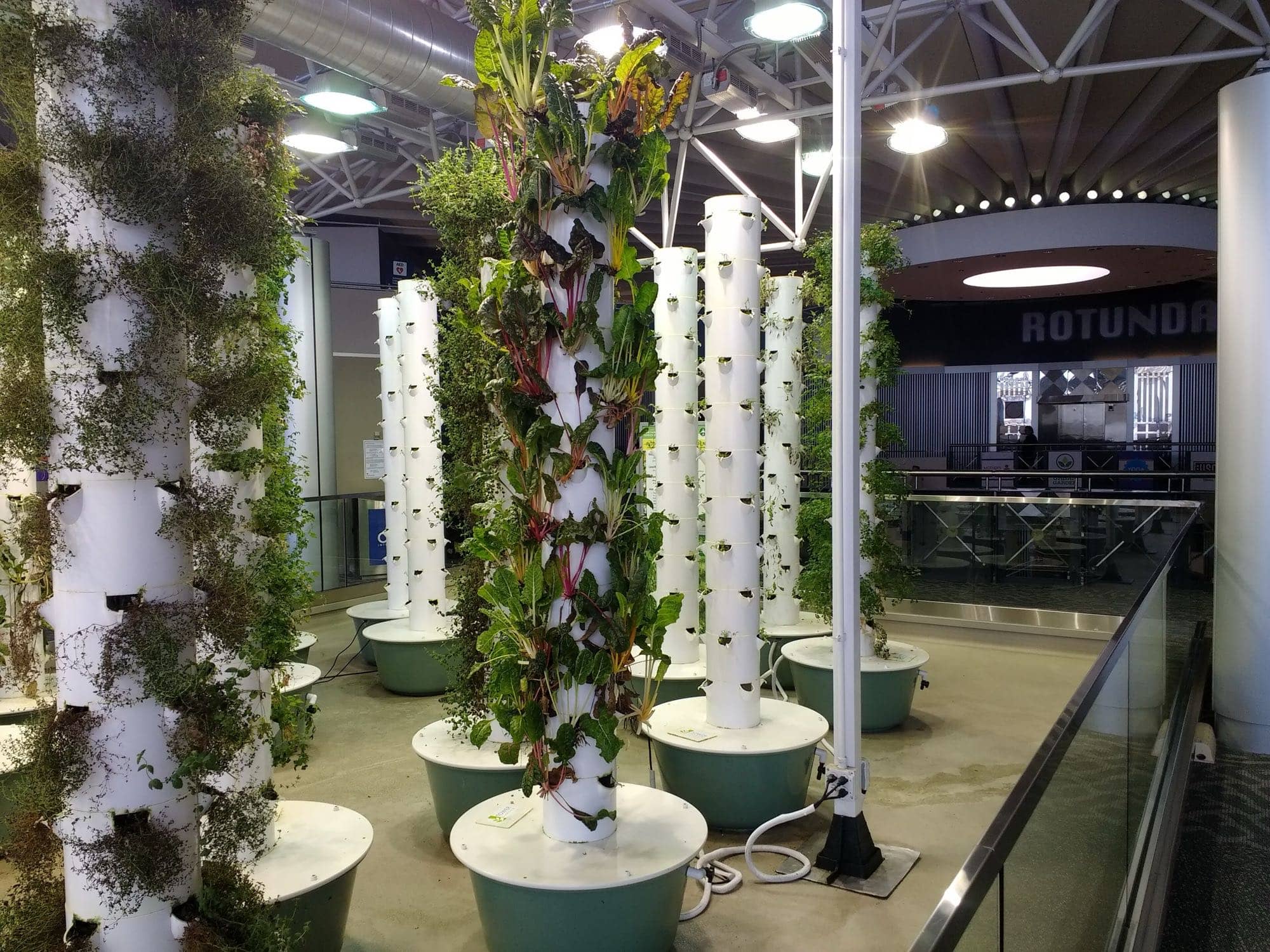
In a business a tower is more than a way to grow food. A row of towers in an office cafeteria, a hotel lobby or a café supplies herbs and salad greens for the kitchen and is a living display that people stop to look at. In a school, a tower turns science lessons on plants, water and nutrients into something students can measure and eat.
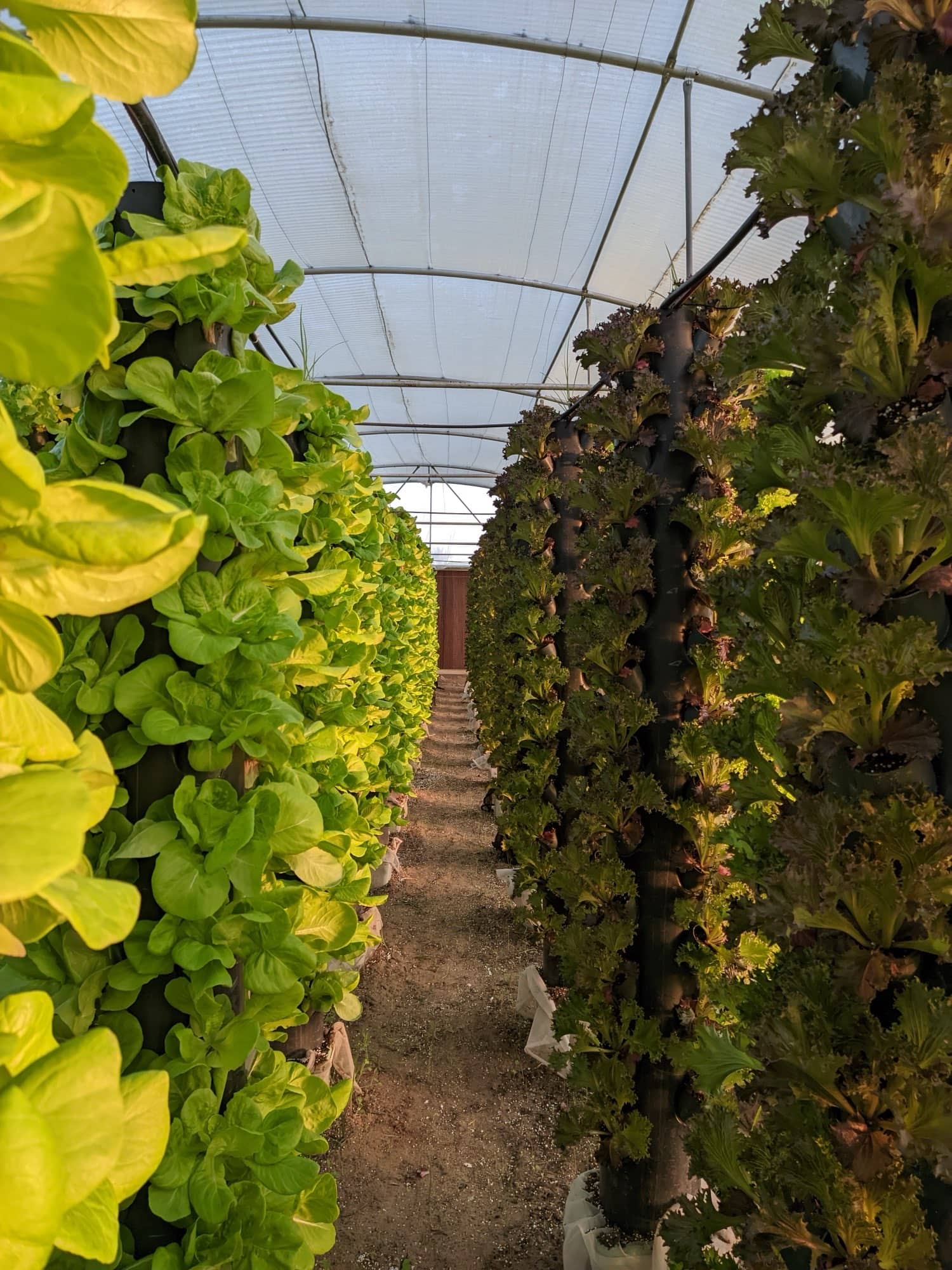
For these sites the figures change: commercial 72–80 pocket towers or several towers on one tank, grow lights where there is no sun, and someone responsible for the weekly checks. We plan larger installations as a vertical farm project, with the layout, power and water points and a care routine worked out before anything is bought.
Part 11
Making your own tower
A tower is simple enough to build: a 4 or 6 inch food-grade pipe with angled holes cut for net pots, a lidded bucket or drum as the tank, a 20–35 watt fountain pump, a thin pipe up the middle to a spray cap or a perforated disc at the top, a plug timer, net pots and coco peat.
Use food-grade or drinking-water-grade plastic and pipe, not drainage PVC, because the water touches what you eat. Make the holes slope downwards so water runs over the roots and not out of the pocket. Before you buy parts, add them up and compare with the ready towers above: small ready-made towers are cheap in India, so building your own makes most sense when you want a size or shape that is not sold.
Questions
What is the price of an aeroponic tower in India?
About ₹2,500–4,000 for a 12–20 pocket home tower and ₹3,500–8,000 for 30–40 pockets, with pump and tank, at October 2026 online prices. Commercial 72–80 pocket towers cost about ₹10,000–32,000, an indoor tower with grow lights about ₹15,000, and imported brands ₹20,000 to over ₹85,000.
What is the difference between an aeroponic tower and a hydroponic tower?
In an aeroponic tower the roots hang in air inside the column and are showered with nutrient water; in a hydroponic tower they sit in a medium or a film of water. Most towers sold in India are marketed as both, and the care is the same.
How much electricity does an aeroponic tower use?
A 20–35 watt pump on a timer (15 minutes on, 15 off through the day) uses about 4–6 units a month, roughly ₹30–65. Running non-stop it uses about 14–25 units, ₹115–250. A grow light adds about 17 units a month for a 40 watt light on 14 hours a day.
How many plants can an aeroponic tower grow?
One plant per pocket, so a 32 pocket tower grows 32 plants at a time. Because you pick leaf by leaf and replant as you harvest, a tower keeps producing through the year.
What can I grow in an aeroponic tower in India?
Lettuce, palak, methi, pak choi, kale, chaulai, pudina, tulsi and basil, celery and spring onion grow best. Coriander does well in winter, strawberries from November to February, and cherry tomatoes and chillies in the top pockets with support. Root crops and big vines are not suited.
Can I keep an aeroponic tower indoors?
Yes, with a grow light. Light through a window is not enough for leafy greens to grow full. Indoor towers with LED light bars cost about ₹15,000, or you can add a separate light to a regular tower.
How much sun does an aeroponic tower need?
At least four to six hours of direct sun a day. South- and west-facing balconies and open terraces usually get enough; north-facing balconies usually need a grow light.
Do aeroponic towers work in Indian summer heat?
Yes, if the water stays cool. Keep the tank in shade, top up with cool water, use a shade net in peak summer and grow heat-tolerant crops such as amaranth, basil and pak choi. Nutrient water above about 28–30 °C leads to root rot.
How often do I change the water in a tower?
Top it up with plain water as the level drops, check pH and EC once or twice a week, and empty and refill the whole tank every two to three weeks.
What happens during a power cut?
The pump stops and the roots, which hang in air, start to dry. A short cut is fine, but on a hot day a few hours without water can wilt the plants, so put the pump on an inverter line if cuts are frequent.
Is an aeroponic tower worth the money?
It pays back in a few months if you would otherwise buy ₹1,000 or more of salad greens and herbs a month, and over two years or more if you mainly eat cheap local greens. Most people keep one for fresh, clean greens at home.
Can I make an aeroponic tower at home?
Yes, from a food-grade pipe with angled holes, a bucket or drum, a 20–35 watt fountain pump, a timer, net pots and coco peat. Compare the parts' cost with a ready-made tower first, as small towers are cheap in India.