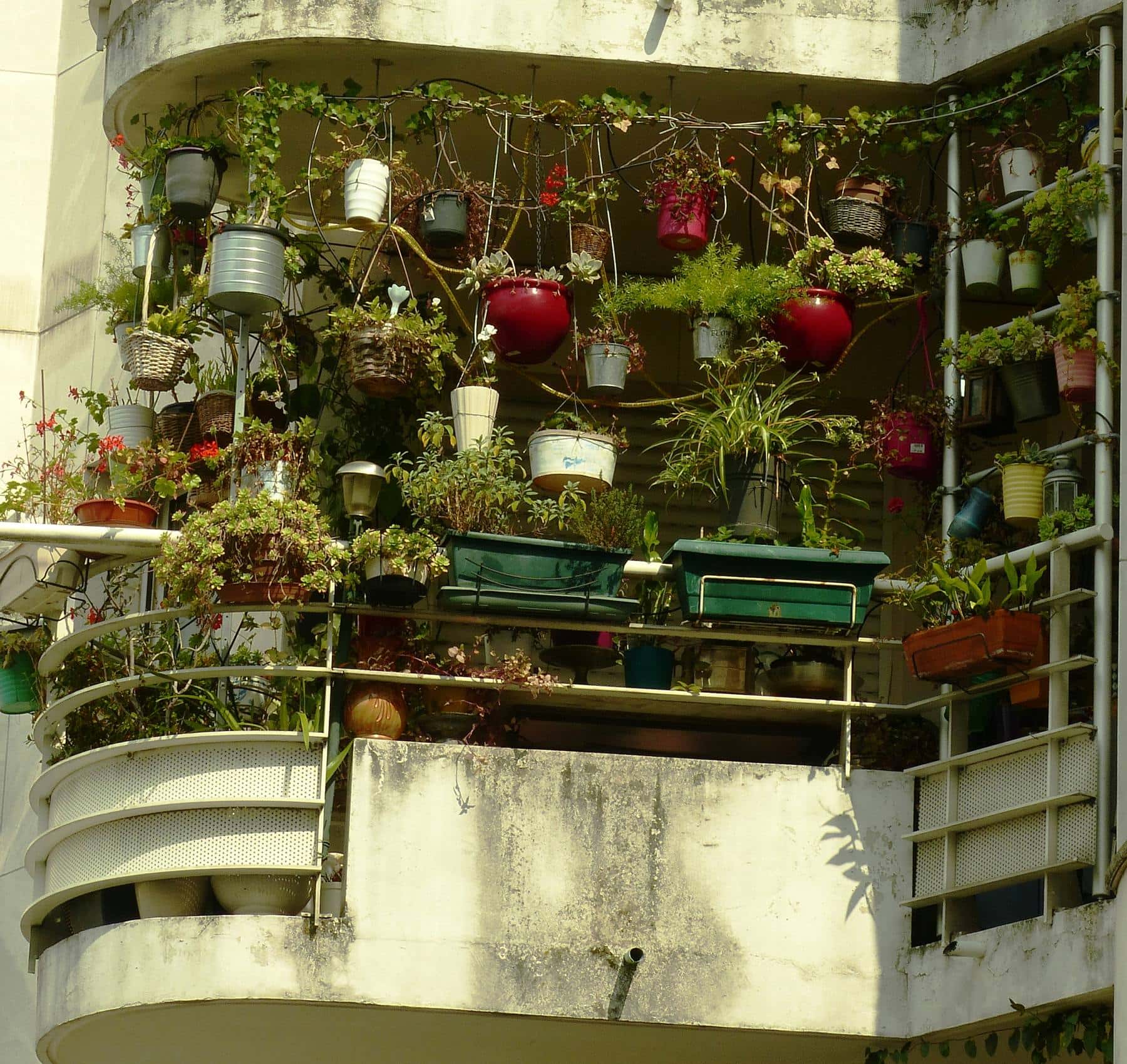
The best plants for a balcony in India, chosen by sun: flowering plants like gudhal and mogra, low-maintenance, hanging and railing plants, herbs and creepers.
Updated 21 October 2026
Part 1
First, find out how much sun your balcony gets
Count the hours of direct sun, not brightness. On a clear day, note when sunlight first falls on the floor or the railing and when it leaves. Do it once in summer and once in winter if you can: the sun is lower in winter and reaches deeper into a covered balcony.
The direction gives a quick first answer. In India, a south-facing balcony gets sun for most of the day, and a west-facing one gets the hot afternoon sun, which is the hardest on plants in April and May. An east-facing balcony gets gentle morning sun and is the easiest to garden. A north-facing balcony gets little direct sun and is best for foliage plants.
Then look up. A deep projection or the balcony above can turn a south-facing balcony into a shaded one, and a glass railing or a wall of the next tower can bounce extra light and heat back in. Plants on high floors also take more wind, which dries pots out faster.
| Balcony | Direct sun | Grows best | Avoid |
|---|---|---|---|
| South-facing, open | 6 hours or more | Gudhal, bougainvillea, portulaca, adenium, sadabahar, genda, curry patta, lemongrass | Peace lily, ferns, aglaonema |
| West-facing | Hot afternoon sun | Bougainvillea, portulaca, adenium, aloe, jade, lemongrass | Soft leafy plants in summer without a shade net |
| East-facing | Morning sun, 3–5 hours | Ixora, mogra, jasmine, tulsi, pudina, petunia in winter, aparajita | Very few: most balcony plants do well |
| North-facing or covered | Little or none, bright shade | Snake plant, ZZ, money plant, peace lily, areca palm, chlorophytum, zebrina | Flowering plants that need full sun |
Part 2
Flowering plants for a sunny balcony
Most flowering plants want at least 5–6 hours of direct sun. Give them a pot of at least 30 cm (12 inches) for shrubs like gudhal, ixora and mogra, a soil mix that drains fast, and a light feed of compost or a flowering fertiliser once a month in the growing season.
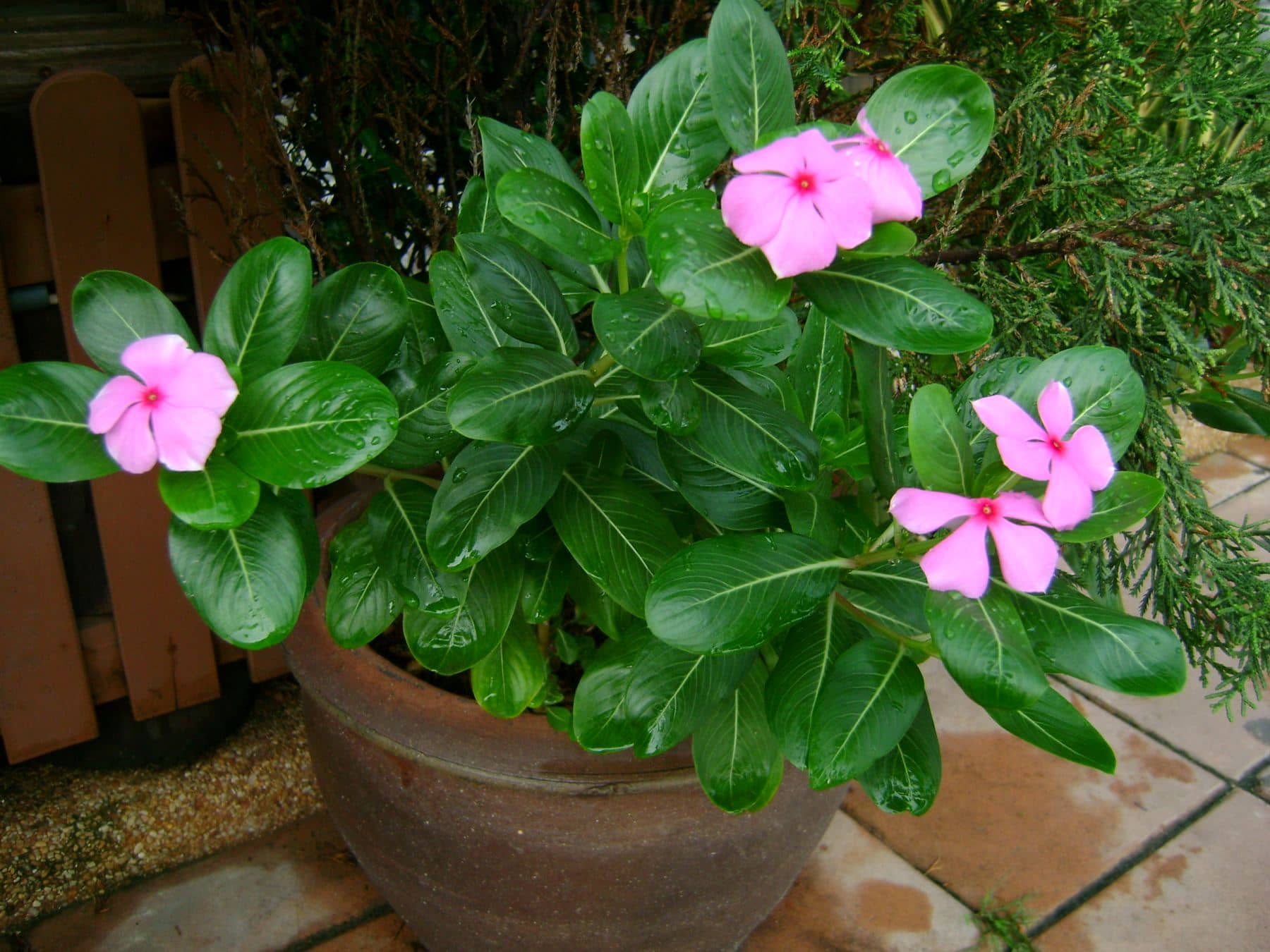
Gudhal (hibiscus, jaswand) flowers almost all year in full sun and is the most reliable balcony shrub. Bougainvillea (kagaz ka phool) gives the most colour for the least water: it flowers best when the soil is allowed to dry out between waterings. Sadabahar (periwinkle, sadaphuli) flowers non-stop through the heat and the rains with little care.
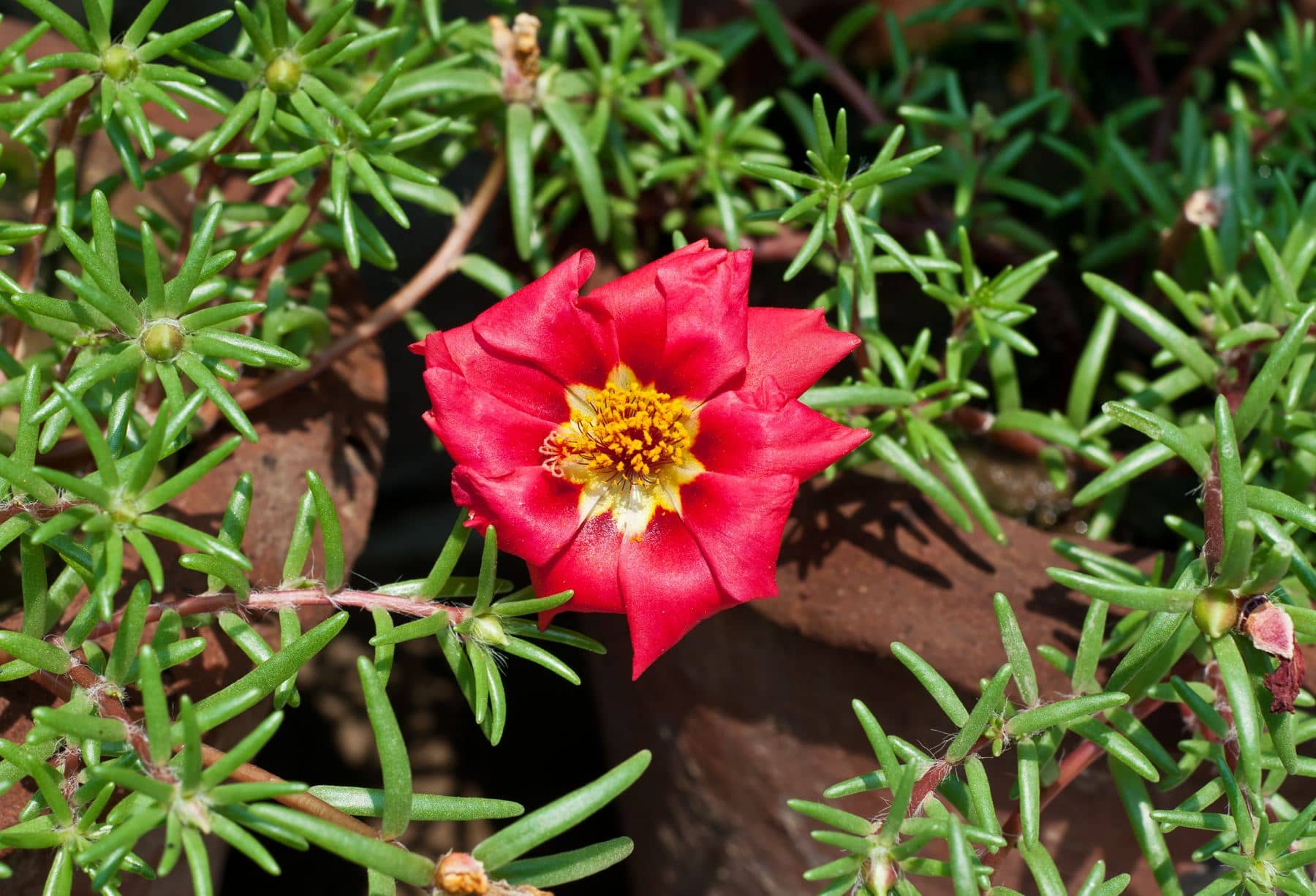
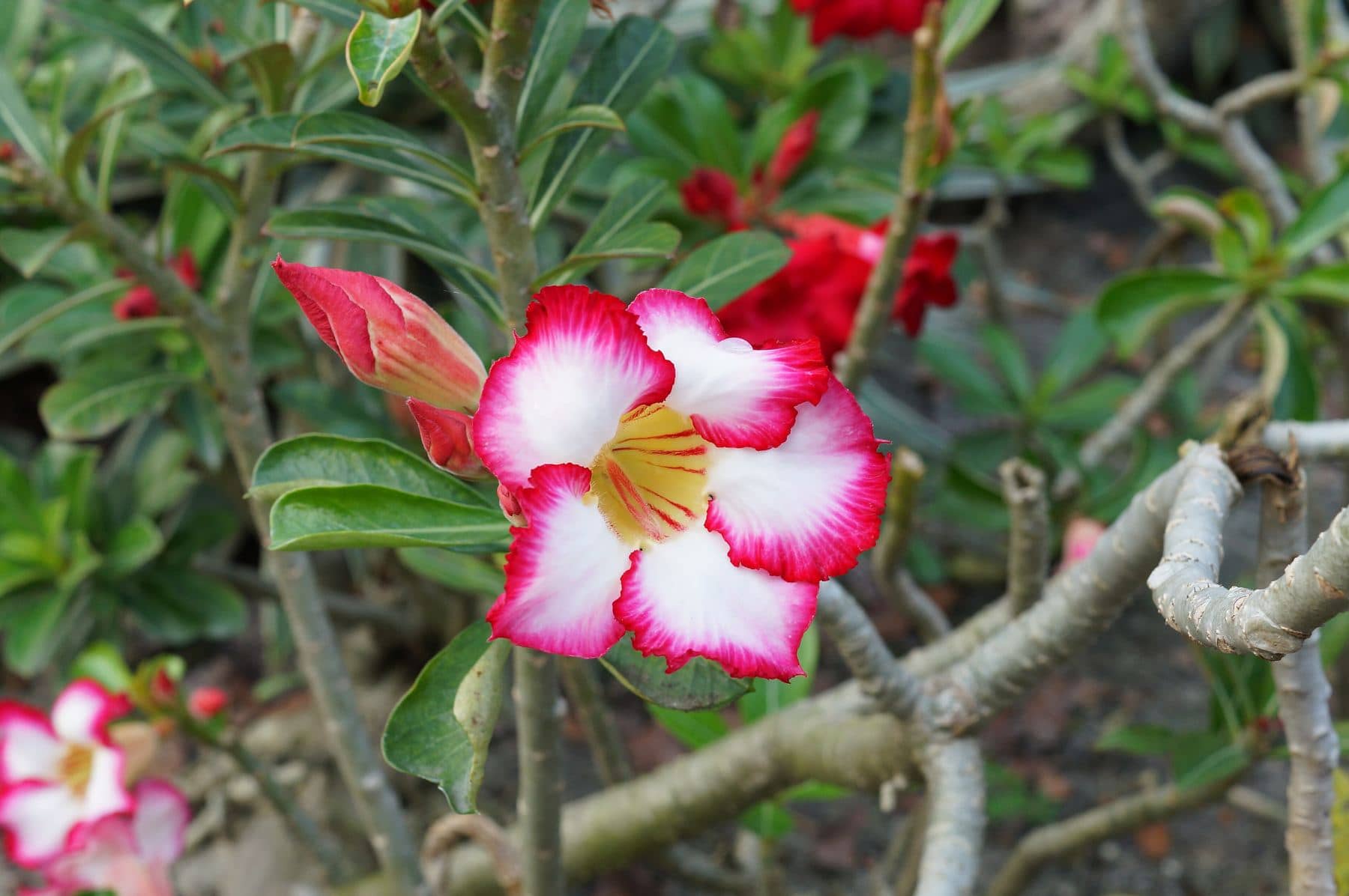
Portulaca, sold as office time or nau baje ka phool because its flowers open in the morning and close by evening, spreads in shallow pots and hanging baskets in full sun. Adenium (desert rose) has a fat stem, stores water and flowers best in the hottest, sunniest spot you have. Ixora (rangan) flowers in clusters and is happy with morning sun.
For scent, grow mogra (Arabian jasmine) or juhi and chameli, which flower most in summer and the monsoon, and a dwarf champa (frangipani) in a large pot. Genda (marigold) is the easiest seasonal flower: plant it in October or November and it flowers through winter.
Part 3
Low-maintenance plants for a balcony
If you travel, work long hours or have a balcony with little sun, start with plants that store water in thick leaves or roots and forgive a missed watering. All six below can go a week or more without water in mild weather, and most need far less than people give them: overwatering kills more of them than drought.
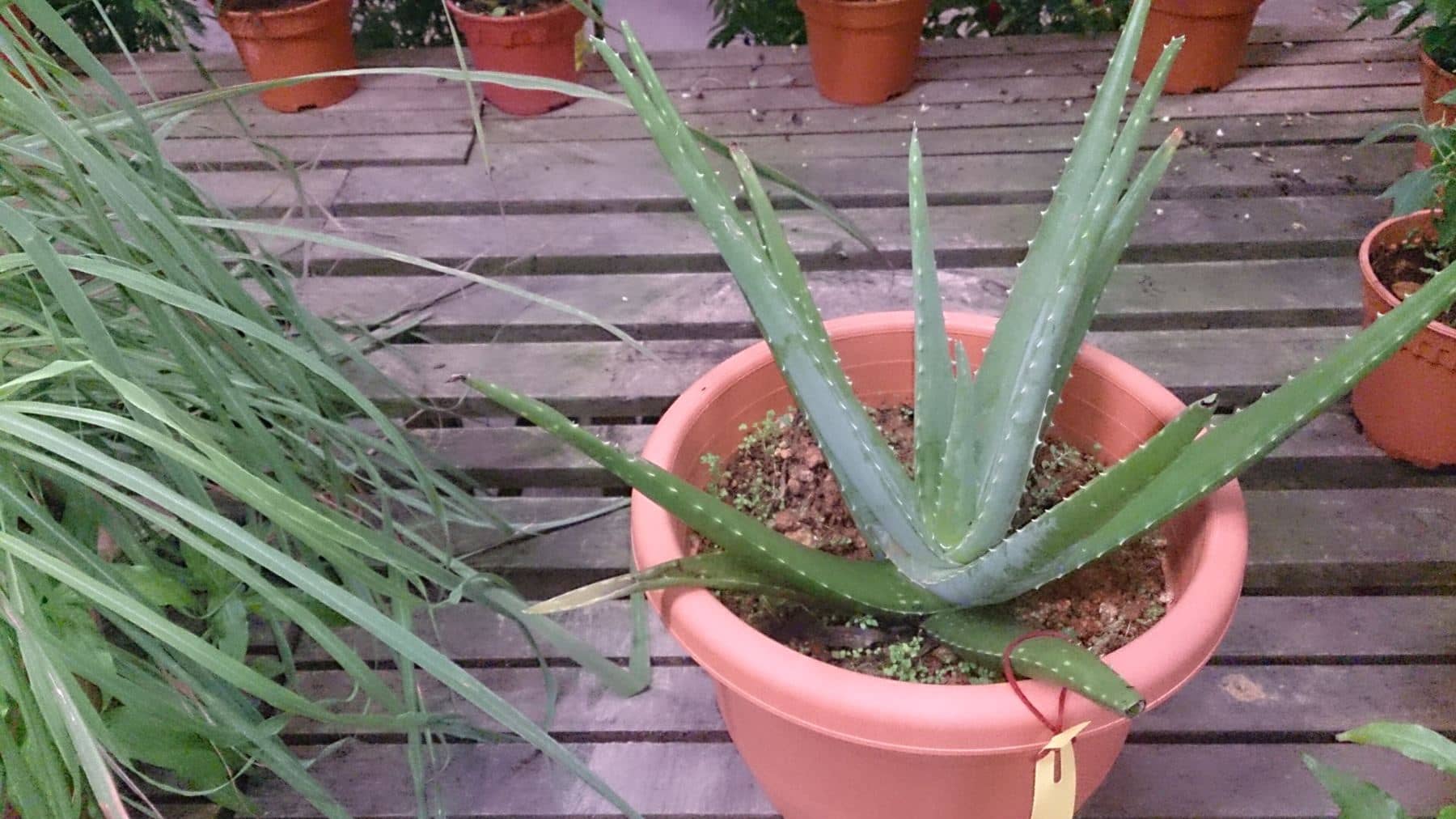
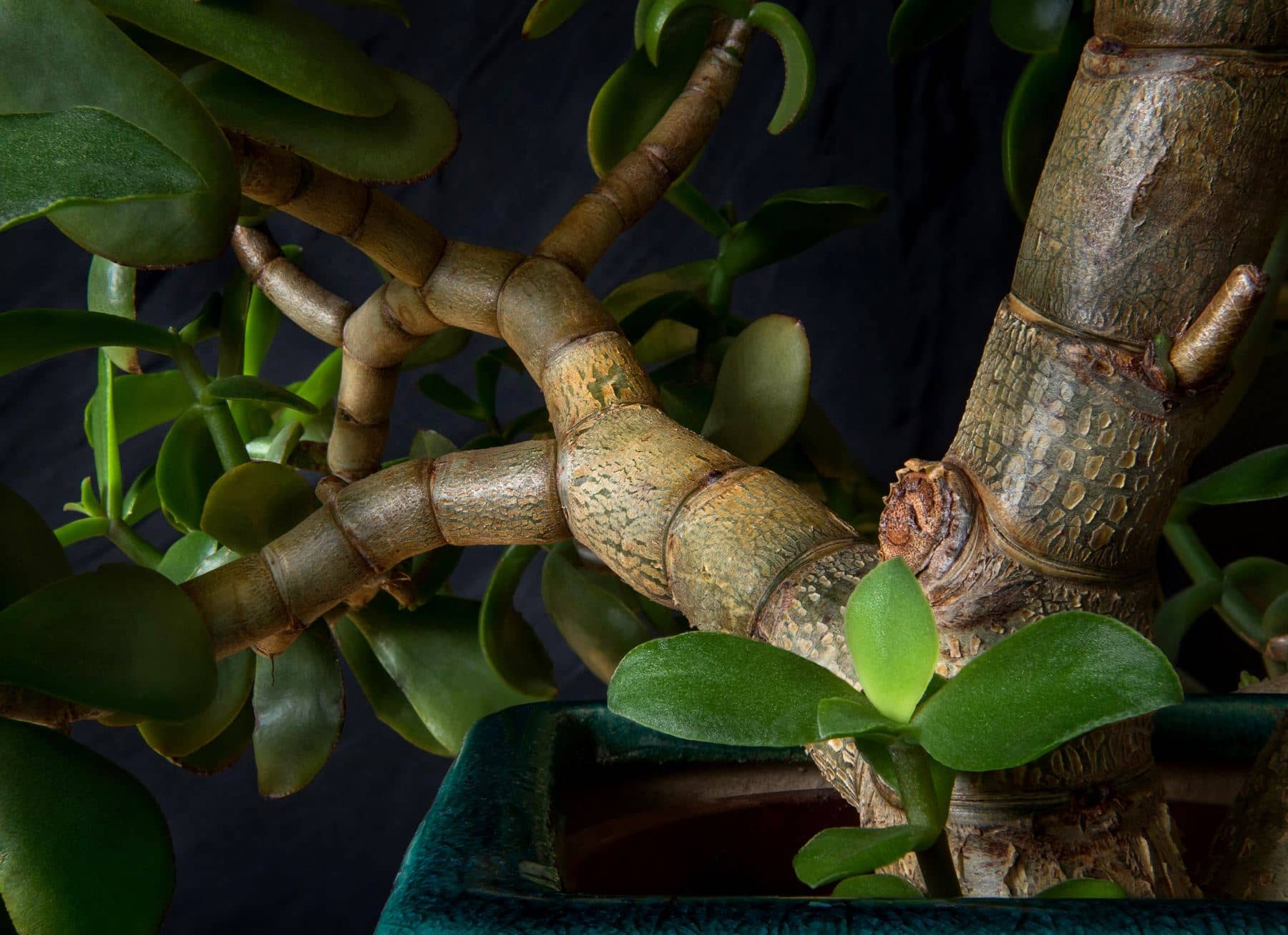
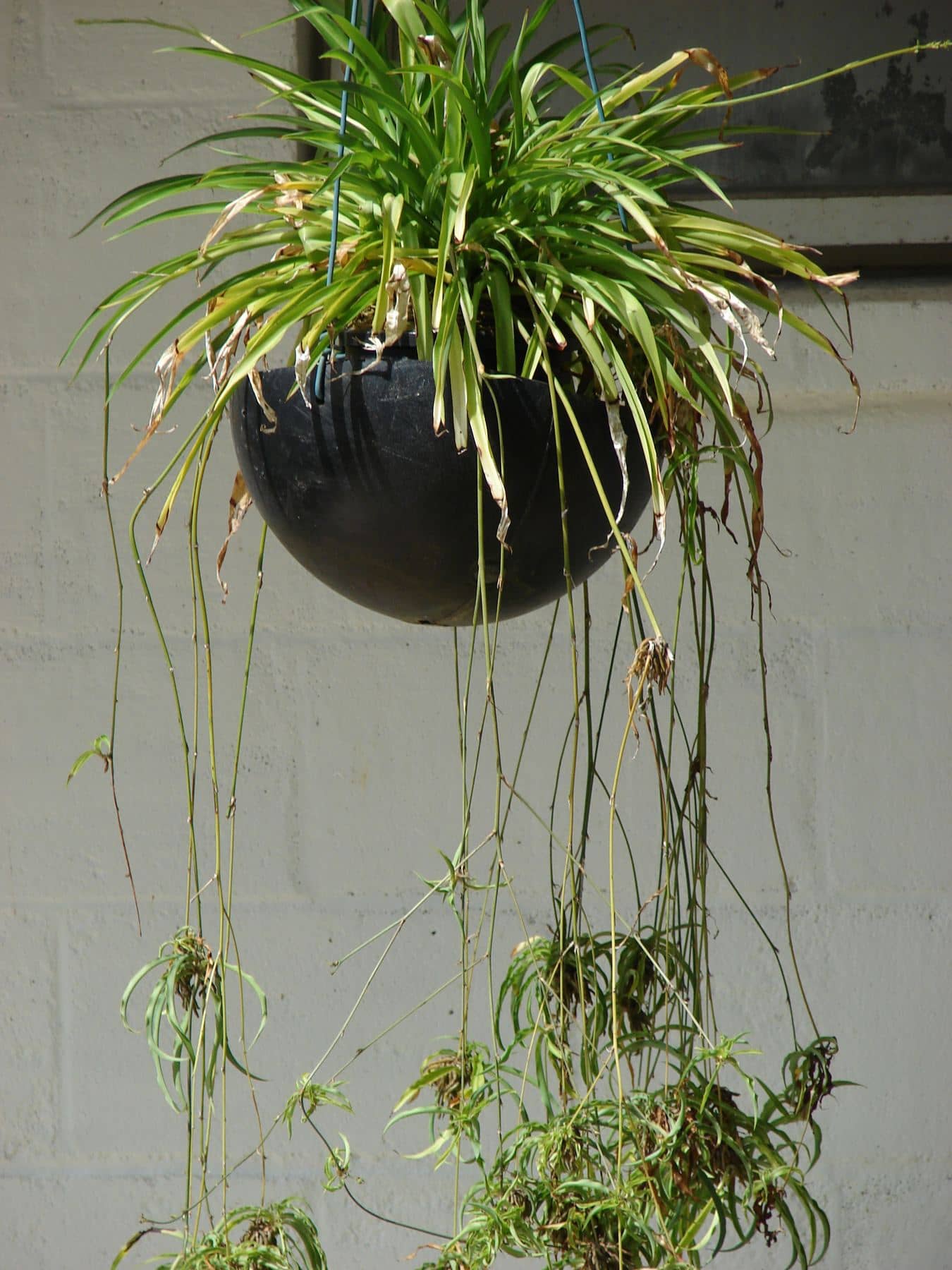
Snake plant (sansevieria) and ZZ plant grow in bright shade or a few hours of sun and need water only when the soil is dry. Money plant climbs a pole or trails from a railing in shade or morning sun. Aloe vera (ghritkumari, gwarpatha) and jade (Crassula, often sold as the lucky plant) want sun and very little water. Chlorophytum (spider plant) grows in sun or shade, hangs well and makes baby plants you can pot up.
Part 4
Hanging and railing plants
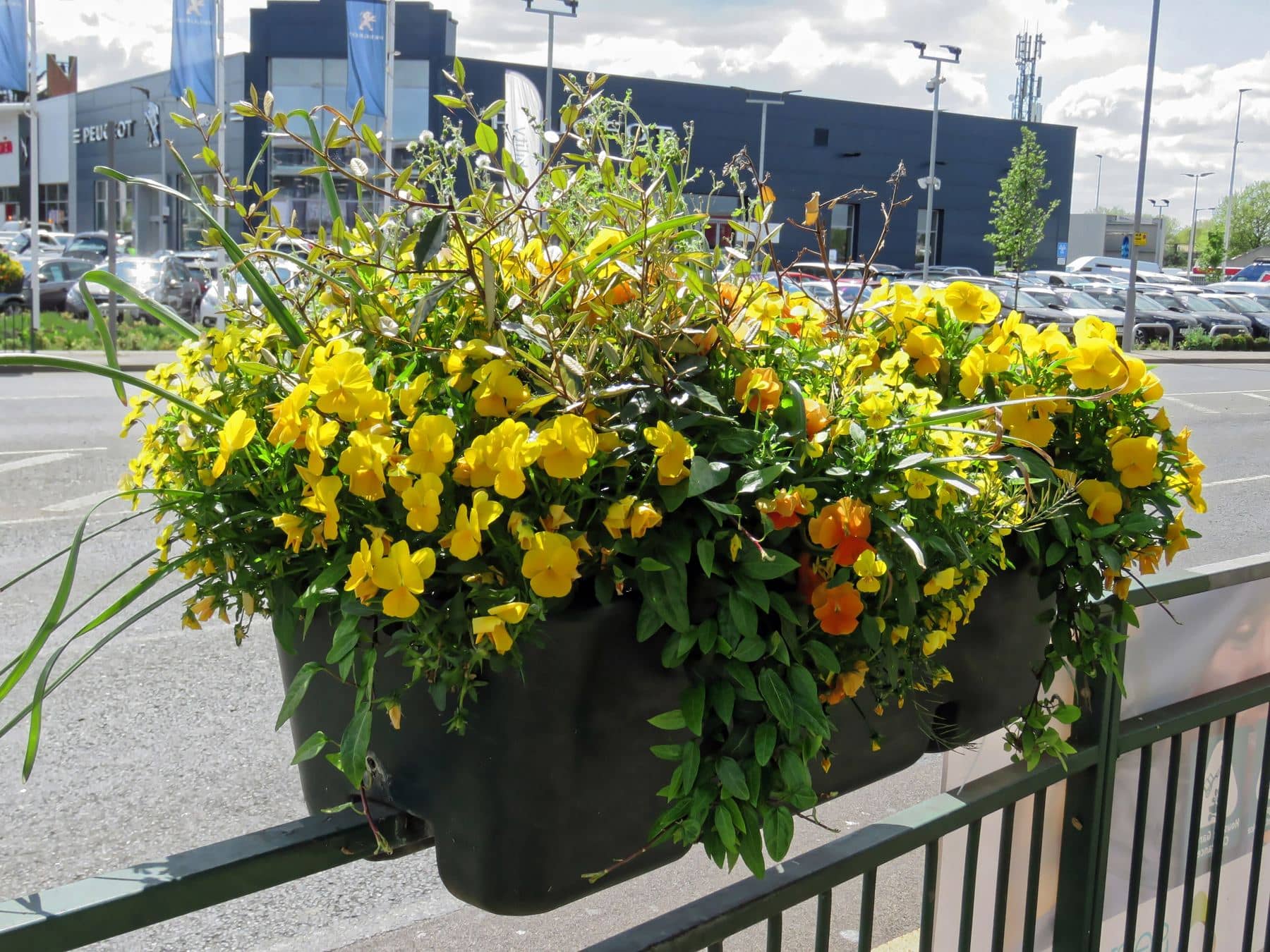
Hanging baskets and railing planters free up the floor, which matters on a small apartment balcony. Choose plants that trail or spread, use light pots and a light soil mix, and hang them where you can reach them with a watering can. Hanging pots dry out faster than floor pots, so check them every day in summer.
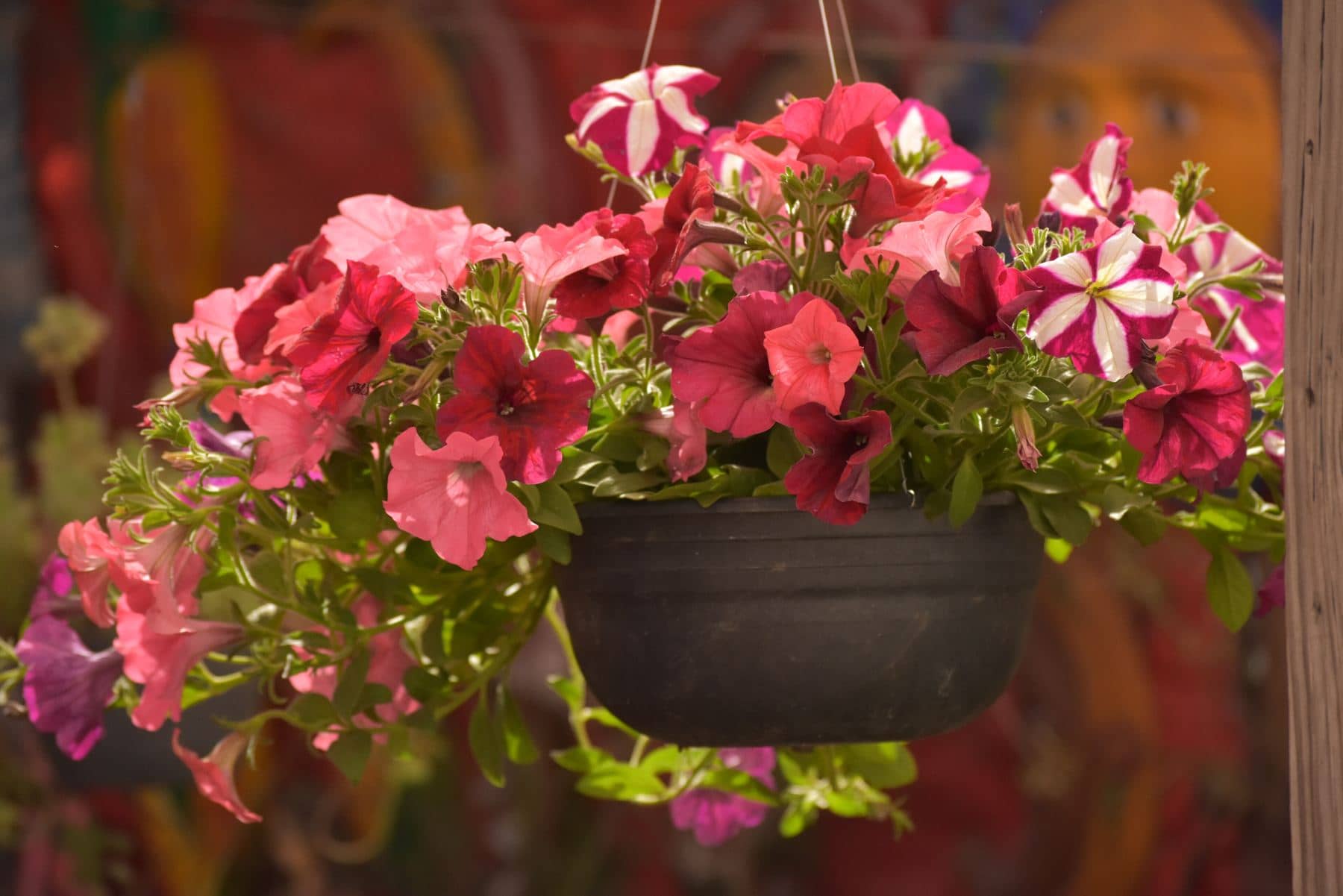
Money plant and zebrina (wandering jew) are the easiest trailing plants for shade or morning sun. String of pearls is a succulent with bead-like leaves: it wants bright light but not harsh afternoon sun, and water only when its soil is dry. Asparagus fern gives a soft, feathery spill of green in half shade. Petunia fills hanging baskets and railing boxes with colour from November to February, and portulaca does the same in the summer sun.
Fix railing planters on the inside of the railing, never hanging over the outside edge. A pot that falls from a high floor is dangerous, and many housing societies do not allow anything outside the railing. Tie hanging baskets with metal hooks or chain rather than plastic rope, which perishes in the sun.
Part 5
Herbs and kitchen plants
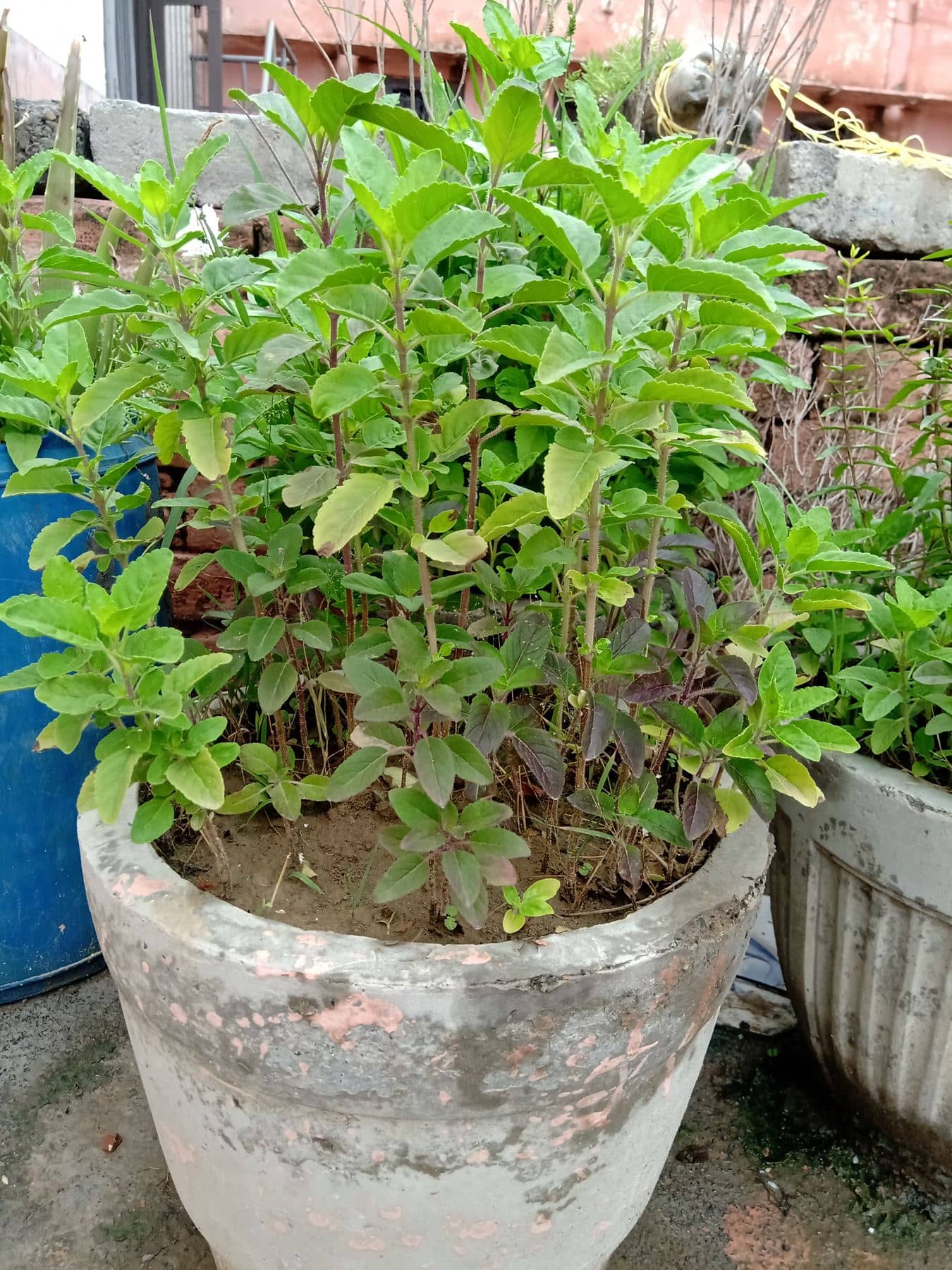
A balcony with 4–6 hours of sun can keep a kitchen supplied with herbs. Tulsi (holy basil) grows in sun or morning sun; pinch off the flower spikes to keep it bushy. Pudina (mint) likes half shade and moist soil, and spreads, so give it a pot of its own. Curry patta (curry leaf) is slow at first but becomes a small tree in a 40–45 cm pot in full sun. Lemongrass (gavati chaha) grows in a clump in full sun and needs regular water in summer.
Grow bags of 30–45 cm are a light, cheap way to add tomatoes, chillies, palak and methi on a sunny balcony. In the plains, the cool months from October to February are the best season for most leafy vegetables.
Part 6
Creepers for privacy and shade, and small vertical gardens
A creeper on a trellis or a wire grid along the railing gives privacy from the next building and shades a hot west-facing balcony. Madhumalti (Rangoon creeper) grows fast, flowers in clusters that change from white to pink to red, and smells sweet in the evening. Aparajita (butterfly pea) is a light creeper with blue flowers, used in pooja and for blue tea. Jasmine and money plant can be trained the same way. Grow creepers in a pot of at least 45 cm and tie the new growth to the support every week or two.
On a balcony with little floor space, go up the wall. A vertical garden for a balcony can be as simple as a metal frame with pots clipped on, a ladder stand or a set of pocket planters. Use money plant, chlorophytum, zebrina, ferns and small succulents, and a drip line or self-watering pots, because the top rows dry out first. Our guide to vertical gardens and green walls compares live and artificial walls and what each costs.
Part 7
Pots, weight and drainage in an apartment
Residential balconies in India are commonly designed for about 300 kg per square metre, and that has to carry people and furniture too. A 30 cm pot of wet garden soil can weigh 15–20 kg, so a row of large pots along the railing adds up quickly. Use a light mix of cocopeat, compost and some garden soil or perlite, which weighs roughly half as much, and keep the largest pots against the wall of the building, not along the outer edge.
Every pot needs a drainage hole and a saucer or a tray, both to protect the floor and to keep water from dripping onto the balcony below. Keep the balcony's own floor drain clear of soil and leaves, especially before the monsoon. On terraces and balconies with waterproofing, raise pots on pot feet so water does not stand under them. Our guide to whether a terrace garden damages the roof covers loads and leakage in detail.
Part 8
Caring for balcony plants through heat, wind and monsoon
Summer (April to June) is the hardest season. Water in the early morning, group pots together so they shade each other, and put up a 35–50% green shade net over west-facing balconies. Plastic and metal pots in full sun heat up fast; terracotta or double pots keep roots cooler. A drip line with a timer, or self-watering pots, saves the plants on days you are away; our guide to automatic plant watering systems explains which one suits a balcony.
In the monsoon, cut watering right back, check that no pot is standing in water, and watch for fungus and snails on soft plants. Covered balconies in Mumbai and Kolkata stay damp for weeks, so give plants space for air to move. On windy high floors, use heavier or wider pots for tall plants, stake creepers well and bring hanging baskets down before a storm.
In winter, most balcony plants grow slowly and need less water. In north India, frost-tender plants such as adenium and portulaca can sulk in December and January; move them to the warmest corner and water sparingly. Winter is the best time to plant petunia, genda and other seasonal flowers.
Part 9
All 26 balcony plants at a glance
Use the light column to match plants to your balcony. "Full sun" means 6 hours or more of direct sun; "half sun" is 3–5 hours, usually morning sun; "shade" is bright light with little or no direct sun.
| Plant | Indian name | Light | Water | Why it suits a balcony |
|---|---|---|---|---|
| Hibiscus | Gudhal, jaswand | Full sun | Every 1–2 days in summer | Flowers almost all year |
| Bougainvillea | Kagaz ka phool | Full sun | When the soil is dry | Most colour for the least water |
| Periwinkle | Sadabahar, sadaphuli | Full or half sun | Moderate | Flowers through heat and rain |
| Portulaca | Office time, nau baje ka phool | Full sun | When the soil is dry | Spreads in shallow pots and baskets |
| Adenium | Desert rose | Full sun | Every 7–10 days | Stores water in its stem |
| Ixora | Rangan | Half or full sun | Keep slightly moist | Long-lasting flower clusters |
| Arabian jasmine | Mogra | Full or half sun | Regular | Scented flowers, summer and monsoon |
| Jasmine | Juhi, chameli | Half or full sun | Regular | Scented creeper or shrub |
| Frangipani | Champa (dwarf) | Full sun | When the soil is dry | Scented flowers in a large pot |
| Marigold | Genda | Full sun | Regular | Easiest winter flower |
| Snake plant | Sansevieria | Shade to sun | Every 1–2 weeks | Almost no care |
| ZZ plant | ZZ | Shade | Every 1–2 weeks | Glossy leaves in low light |
| Money plant | Money plant (pothos) | Shade or half sun | When the top soil is dry | Trails from railings or climbs a pole |
| Aloe vera | Ghritkumari, gwarpatha | Full or half sun | Every 1–2 weeks | Survives heat and missed waterings |
| Jade | Lucky plant | Sun or bright shade | Every 1–2 weeks | Slow, neat and drought-proof |
| Spider plant | Chlorophytum | Shade to half sun | Moderate | Hangs well, safe for pets |
| Wandering jew | Zebrina | Shade or half sun | Moderate | Purple-striped trailing leaves |
| String of pearls | String of pearls | Bright light, no harsh sun | When the soil is dry | Bead-like strands for hanging pots |
| Asparagus fern | Asparagus fern | Half sun or shade | Keep slightly moist | Soft green spill from baskets |
| Petunia | Petunia | Full or half sun | Regular | Hanging baskets, November to February |
| Holy basil | Tulsi | Full or half sun | Daily in summer | For the kitchen and pooja |
| Mint | Pudina | Half sun | Keep moist | Grows fast in its own pot |
| Curry leaf | Curry patta, kadi patta | Full sun | Regular | A kitchen tree in a big pot |
| Lemongrass | Gavati chaha | Full sun | Regular in summer | Tall clump for tea and cooking |
| Rangoon creeper | Madhumalti | Full or half sun | Regular | Fast privacy screen, evening scent |
| Butterfly pea | Aparajita | Full or half sun | Moderate | Light creeper with blue flowers |
Questions
Which plants are best for a balcony in India?
For a sunny balcony: gudhal (hibiscus), bougainvillea, sadabahar, portulaca, mogra and adenium. For morning sun: ixora, jasmine, tulsi and pudina. For a shaded or north-facing balcony: snake plant, ZZ, money plant, peace lily and chlorophytum.
Which flowering plants grow best on a balcony?
Gudhal, bougainvillea (kagaz ka phool), sadabahar (periwinkle), portulaca (office time), ixora, adenium, mogra and juhi in summer and the monsoon, and petunia and genda in winter. Most need at least 5–6 hours of direct sun.
What are the best low-maintenance balcony plants?
Snake plant, ZZ plant, money plant, aloe vera, jade and chlorophytum. They store water in their leaves or roots, can go a week or more without water in mild weather, and are more often killed by overwatering than by neglect.
Which plants can grow on a balcony with no direct sunlight?
Snake plant, ZZ plant, money plant, peace lily, areca palm, chlorophytum, zebrina and ferns grow in bright shade. Flowering plants will grow leaves there but flower very little.
What are good hanging plants for a balcony?
Money plant, zebrina (wandering jew), chlorophytum, string of pearls and asparagus fern for shade or half sun; petunia in winter and portulaca in summer for a sunny balcony. Hanging pots dry out fast, so check them daily in summer.
Which plants are good for a west-facing balcony?
Plants that take hot afternoon sun: bougainvillea, portulaca, adenium, aloe vera, jade, lemongrass and sadabahar. In April and May, a 35–50% shade net and morning watering help even these.
Which plants grow well on a north-facing balcony?
Foliage plants that like bright shade: snake plant, ZZ, money plant, peace lily, areca palm, chlorophytum and zebrina. A north-facing balcony is too dark for most flowering plants.
How often should I water balcony plants?
Push a finger into the soil and water when the top 2–3 cm are dry. In summer that can be every day for flowering plants and hanging pots; succulents like aloe, jade and adenium need water only every 7–14 days. In the monsoon, water much less.
How heavy can pots on a balcony be?
Residential balconies are commonly designed for about 300 kg per square metre, including people. A 30 cm pot of wet garden soil weighs 15–20 kg, so use a light cocopeat-based mix and keep the biggest pots against the building wall rather than along the edge.
Can I hang planters outside the balcony railing?
It is safer not to. A pot that falls from a high floor can hurt someone, and many housing societies do not allow planters outside the railing. Fix railing planters on the inside and use metal hooks for hanging pots.
Which balcony plants are safe for pets?
Chlorophytum (spider plant) is safe for cats and dogs, and tulsi, pudina and lemongrass are kitchen herbs. Sadabahar, adenium, money plant, ZZ, snake plant and aloe vera are harmful if chewed, so keep them out of reach of pets and small children.
What is the best time to start a balcony garden?
October to February, after the monsoon, is the best time in most of India: the weather is mild, seasonal flowers like genda and petunia can go in, and shrubs settle in before the summer heat. Avoid planting new shrubs in May.