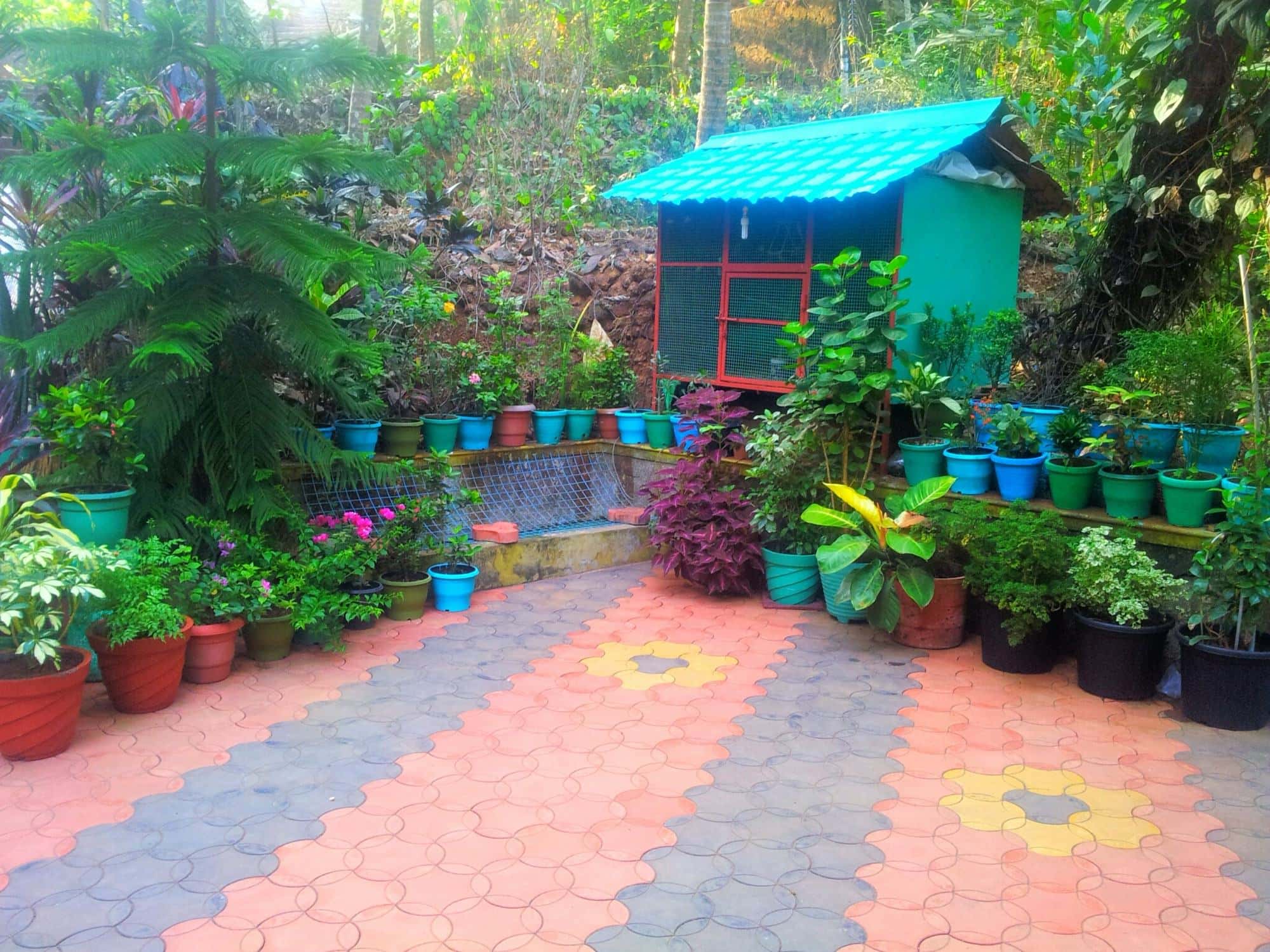
Home garden design for Indian bungalows, villas and row houses: how to plan a layout, lawn, beds, paths, plants and watering, with 10 design ideas and small-garden tips.
Updated 21 October 2026
Part 1
Start with the site: sun, water, soil and use
Walk around the plot at three times of day and note where the sun falls. Plants are grouped by light: full sun means at least six hours of direct sun a day, part shade three to six hours, and shade less than three. In most Indian homes the south and west sides get the harshest afternoon sun, and the strip beside a boundary wall or under a neighbour's tree is in shade for most of the day. Every plant choice later depends on this map.
Mark the water points and power points, the drain outlets, the gate, the car's path and the septic tank or water tank lids that must stay reachable. Check how the soil drains: dig a hole a foot deep, fill it with water, and see if it empties within a few hours. Black cotton soil holds water and cracks when dry, red and laterite soils drain fast, and builder's fill is often rubble just under the surface. Each needs a different bed preparation.
Then decide what the garden is for. A lawn for children to play on, a sit-out for evening tea, a kitchen garden, privacy from the road, a show garden at the entrance, or as little upkeep as possible. Most home gardens need two or three of these, and a clear order of priority makes every later decision easier.
Part 2
Draw a simple layout to scale
Measure the plot and draw it on squared paper, one square to a foot or half a metre. Draw the house, doors and windows, then the sun map and the fixed things: tank lids, drains, the car's path. Now place the zones: the entrance garden people see first, the main sitting or lawn area near the room you use most, a service corner for compost, tools and the water tap, and beds along the boundary.
Paths come next. Put them where feet already go, from the gate to the door and from the door to the sit-out, and make them wide enough to use: about 90 cm to 1.2 m for one person with a wheelbarrow, and about 1.5 m for two people side by side. A path that is too narrow ends up with a worn line of grass beside it.
Keep beds deep enough to look full. A flower or shrub bed along a wall works best at 90 cm to 1.5 m deep, with tall plants at the back, medium in the middle and low edging in front. Curved bed edges look natural in a large garden; straight edges and clipped hedges suit modern homes and small plots.
| Zone | Where | What goes in it |
|---|---|---|
| Entrance garden | By the gate and front door | Flowering shrubs, a specimen tree or palm, neat edging, a nameplate light |
| Lawn or sit-out | Near the room you use most | Lawn, paving or deck, seating, shade from a tree or pergola |
| Boundary beds | Along compound walls | Hedge or screening shrubs, creepers on the wall, layered flowering plants |
| Kitchen garden | The sunniest open corner | Raised beds or grow bags of vegetables and herbs |
| Service corner | Out of sight, near the tap | Compost, tools, potting bench, spare pots |
| Side strip | The narrow passage beside the house | Shade-tolerant plants, pebbles or stepping stones, pots |
Part 3
Choose plants in layers, and repeat them
A garden looks designed when it has a few plants used well, not one of everything. Pick a tree or two for shade and height, a screen or hedge for the boundary, three to five flowering shrubs, one or two creepers, and a low edging plant, then repeat them along the beds in groups of three or five. Repetition is what ties a garden together.
Trees for home gardens: champa (frangipani) for a compact flowering tree, harsingar (parijat) for scented night flowers, bamboo for a quick tall screen, and fruit trees such as chikoo, guava or lemon where there is space. Keep large trees like gulmohar and peepal well away from the house, the tank and the compound wall.
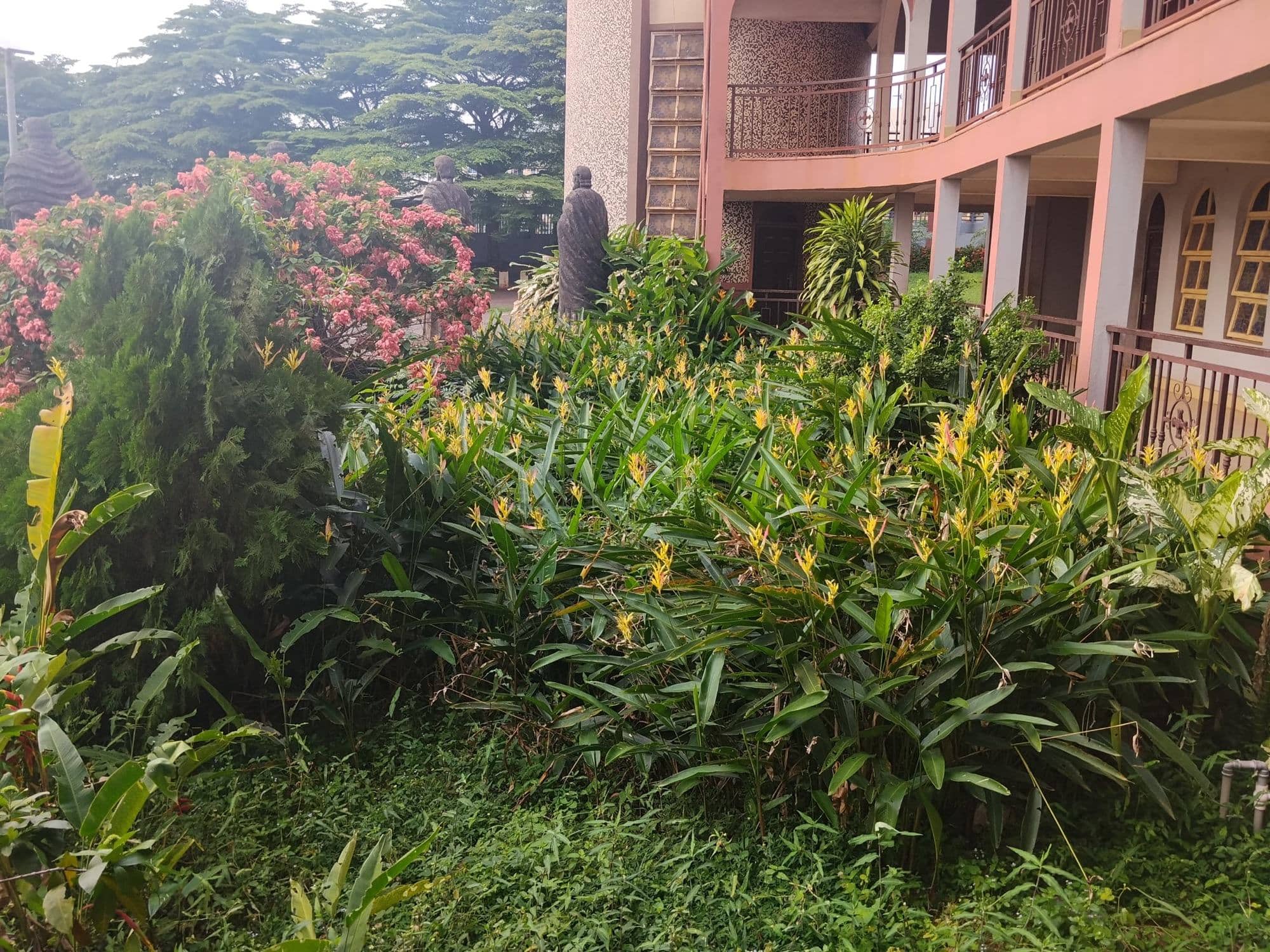
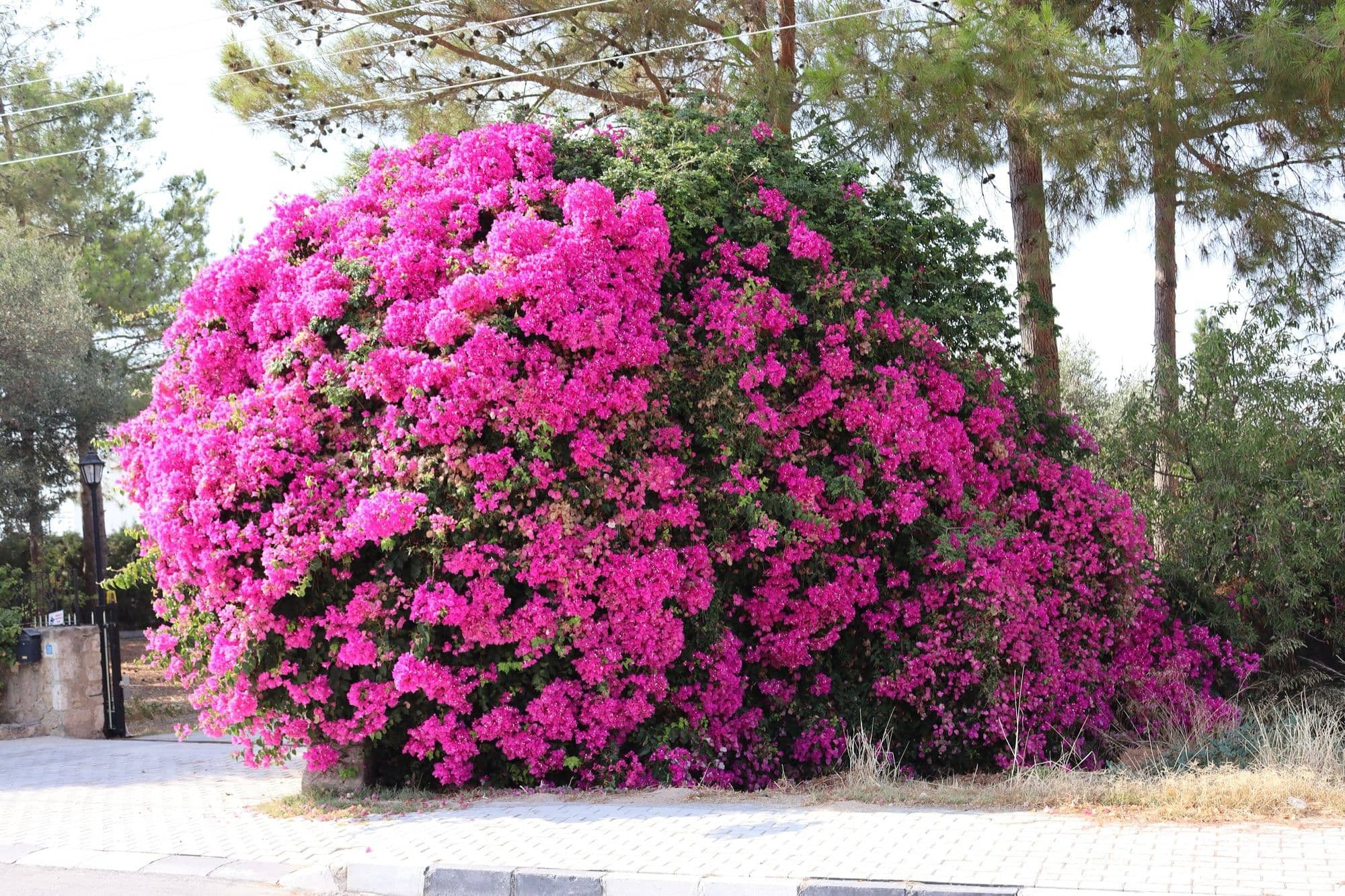
Shrubs and hedges: kamini (murraya), duranta and clerodendrum clip into neat hedges; gudhal (hibiscus), ixora, mogra and raat ki rani give flowers and scent; kagaz ka phool (bougainvillea) covers a sunny wall or gate in colour with very little water. For shade, use philodendron, money plant on a support, ferns and peace lily in pots.
Ground cover and edging: lawn where people will walk and sit, and low plants like sadabahar (periwinkle), portulaca (office time) and wedelia in sunny beds where grass would struggle. A layer of mulch on bare soil keeps the roots cool and the weeds down.
- Sunny beds: bougainvillea, hibiscus, ixora, mogra, lantana, sadabahar, portulaca, marigold (genda) in winter
- Part shade: kamini, crossandra (aboli), rangoon creeper (madhumalti), jasmine, pentas
- Shade: philodendron, money plant, ferns, peace lily, aglaonema, calathea
- Screens and hedges: bamboo, kamini, duranta, clerodendrum, ficus where there is room for roots
Part 4
10 home garden design ideas that work in India
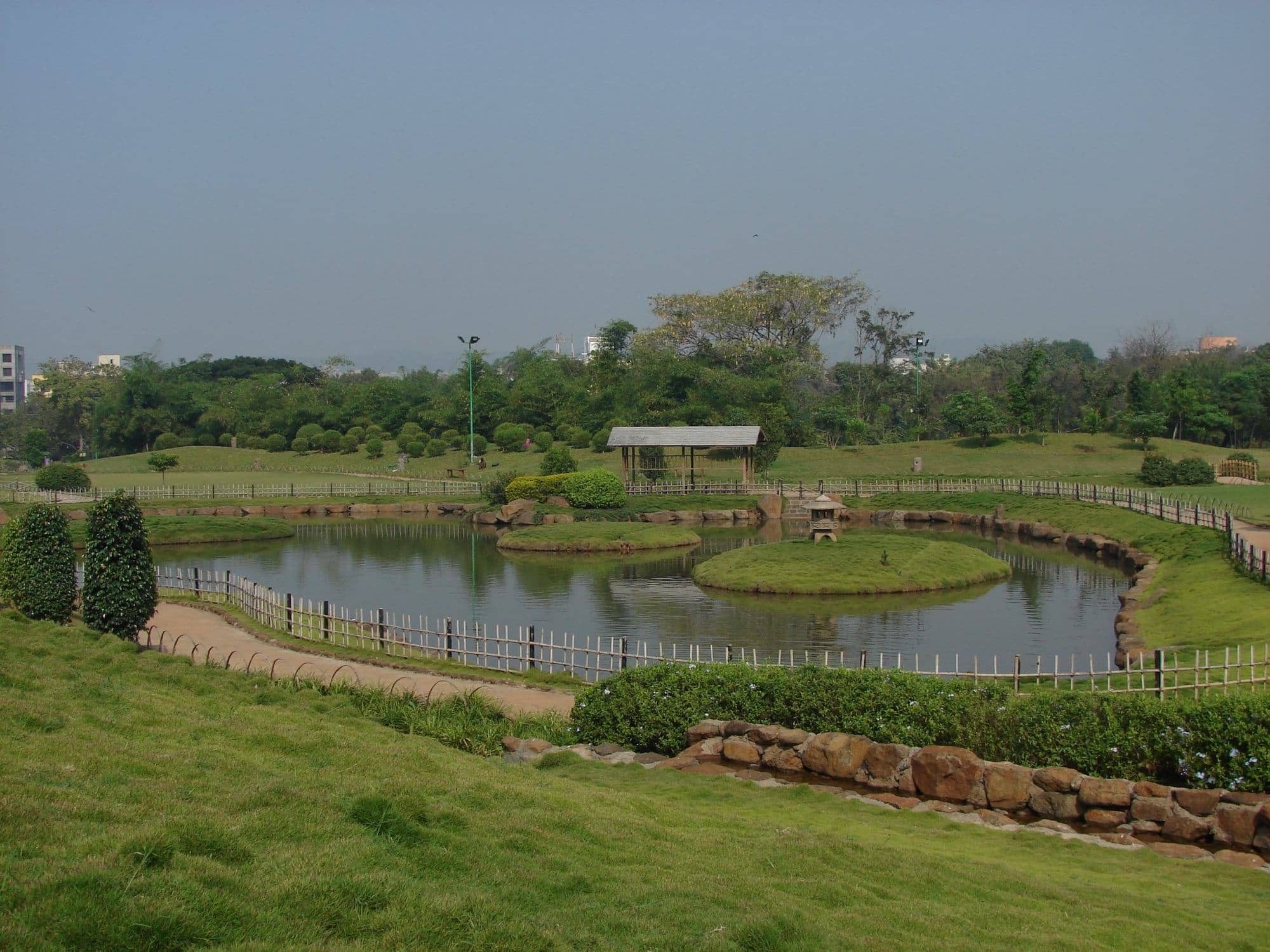
1. A lawn in the middle with deep beds around it. The classic bungalow layout: an open green centre, flowering shrubs and a hedge around the edge, and a tree in one corner for shade.
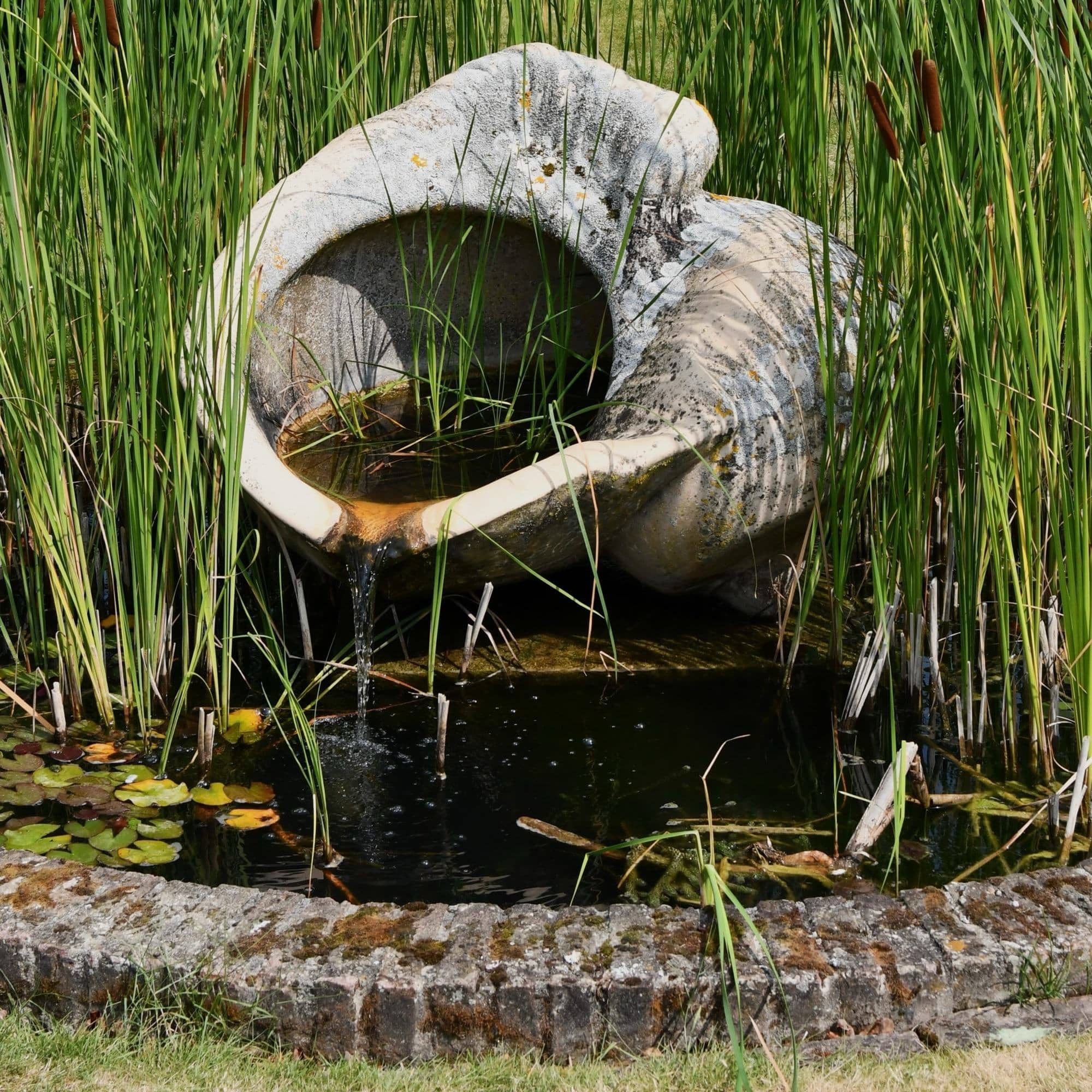
2. A courtyard garden. For row houses and villas with an open courtyard: one tree or palm, plants in large pots, a stone floor and a small water feature. It feels like an outdoor room.
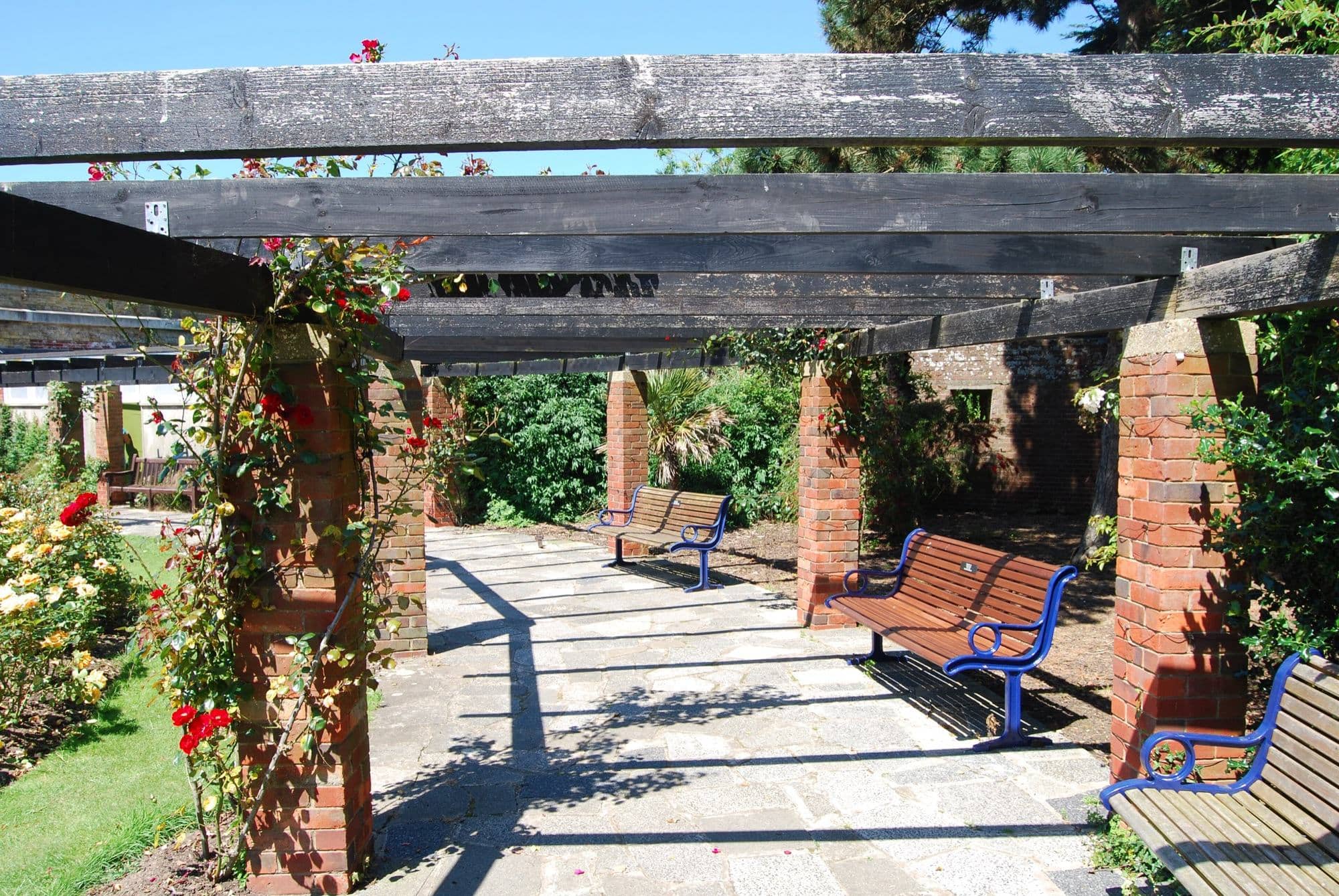
3. A pergola sit-out. A pergola of wood, metal or cement over a paved corner, with a creeper such as madhumalti, bougainvillea or jasmine trained over it, gives shade and a reason to sit outside.
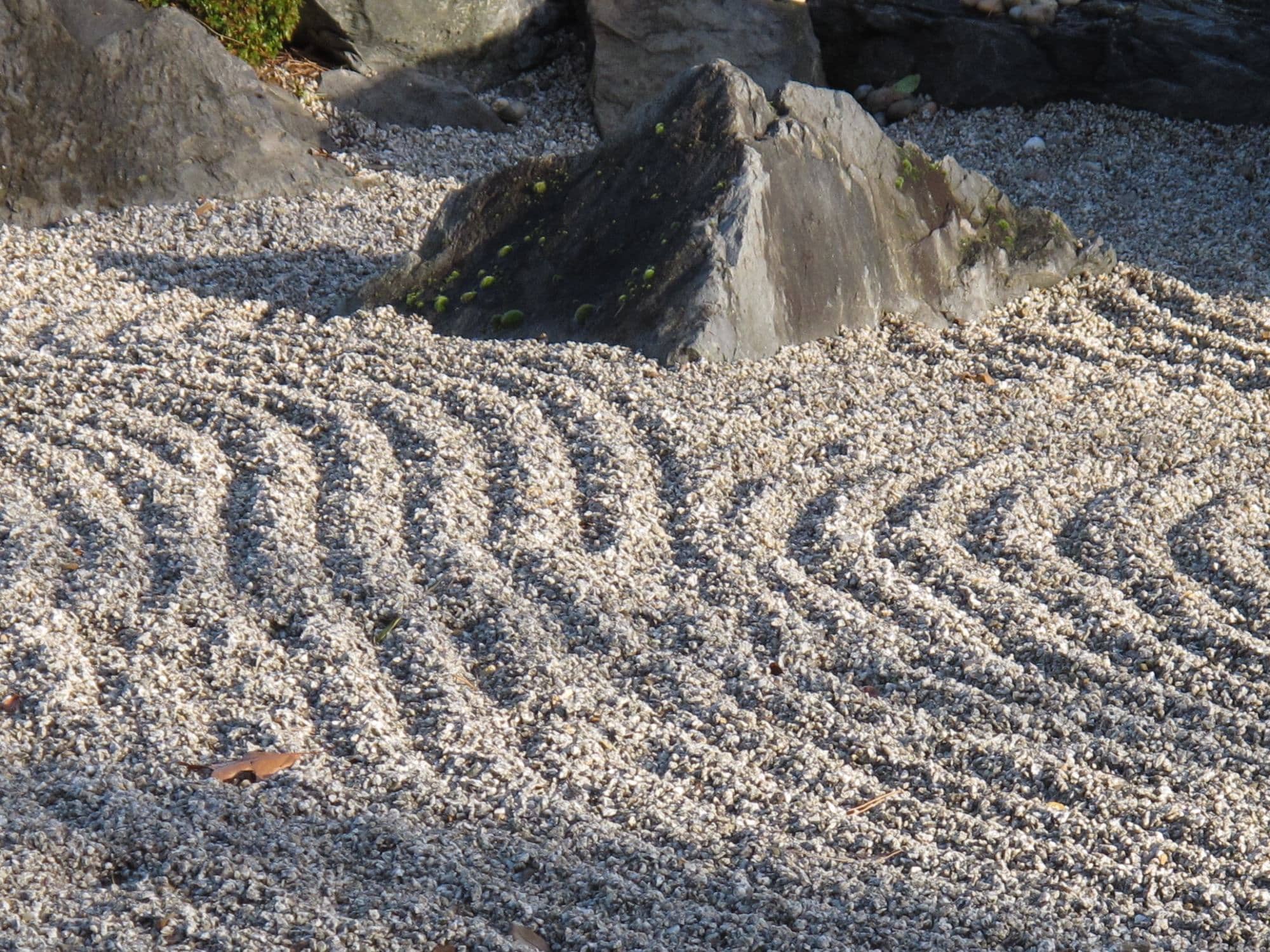
4. A low-water garden. Gravel, stones, a few boulders, and plants that cope with heat and little water: bougainvillea, agave, aloe, adenium, lemongrass and ornamental grasses. Good for western sun and for homes that are often locked.
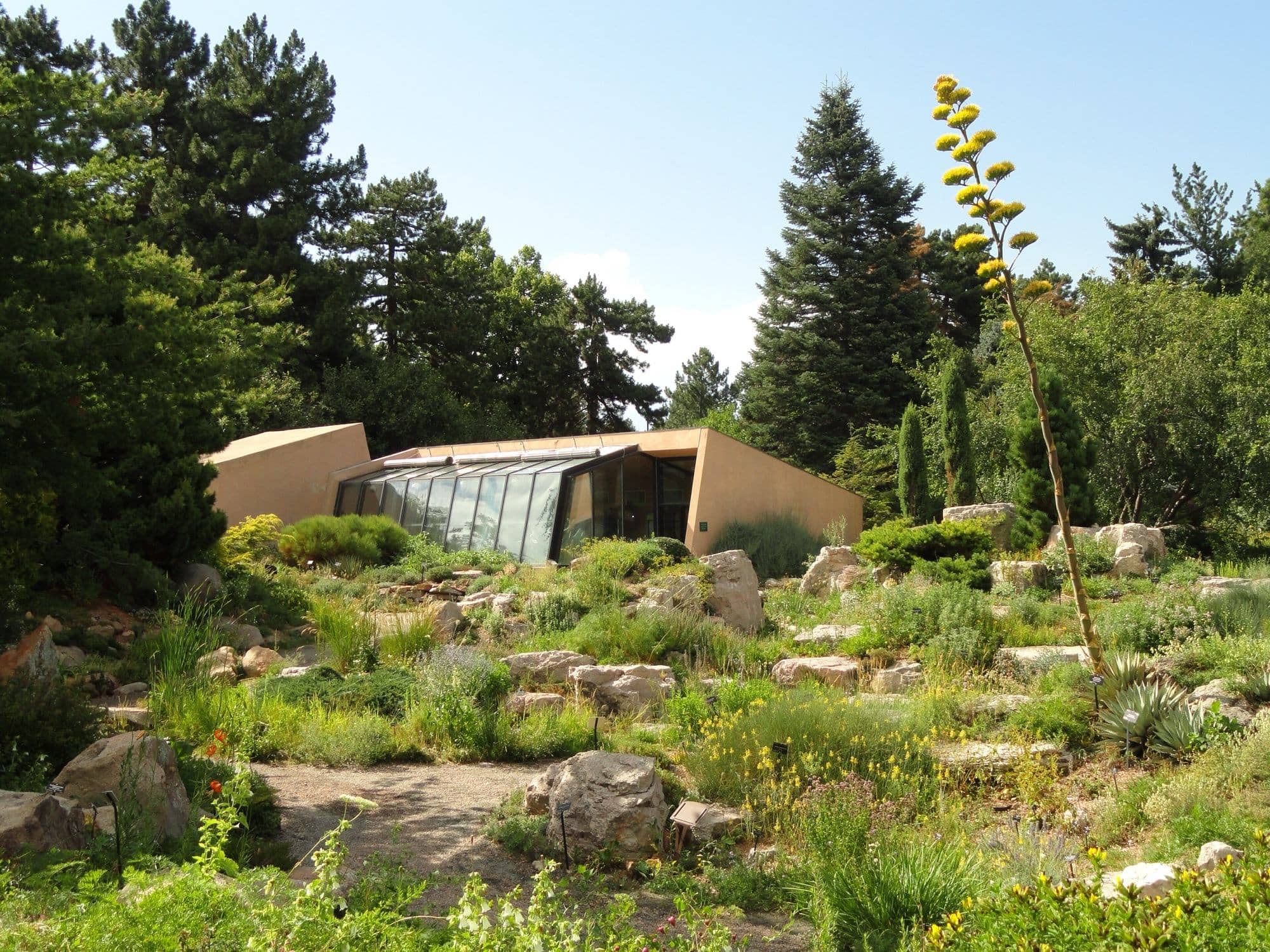
5. A rock garden on a slope. Where the plot slopes, boulders set into the bank hold the soil, and drought-tolerant plants fill the gaps between them.
6. A green wall in a narrow space. Where there is no room for beds, a vertical garden or a trellis of creepers puts green on the wall instead of the floor.
7. A kitchen garden as part of the design. Raised beds of vegetables and herbs in a neat grid, edged with marigold and tulsi, can be as good-looking as a flower bed and far more useful.
8. A scented garden by the windows. Mogra, raat ki rani, champa, harsingar and kamini planted near the bedrooms and the sit-out scent the house in the evenings.
9. A front garden that welcomes. Keep it simple and tidy: a clipped hedge, one flowering tree, a clear path, and a light by the gate. It is seen every day by everyone who visits.
10. Lights along the paths. Low lights along paths and up-lights under a tree make the garden usable after dark, which is when most families in Indian cities sit outside.
Part 5
Small garden designs and side strips
In a small garden every plant is seen up close, so choose fewer kinds and plants that look good all year. Use one strong feature, such as a tree, a water bowl or a bench, instead of several small ones, and keep the floor mostly one material so the space reads as one.
Go up rather than out: creepers on a trellis, a green wall, wall-mounted planters and tall narrow plants such as bamboo or areca palm in pots. Light-coloured paving and pebbles make a small space look larger, and a mirror on a boundary wall behind plants can do the same.
Side strips beside the house are usually shaded and narrow. Lay stepping stones in pebbles so water drains and the strip stays walkable, and plant shade-tolerant plants in a single row along the wall. Keep plants away from the house wall so damp does not reach it.
Part 6
Lawn or no lawn?
A lawn is the best surface for children to play on and the coolest to sit beside, but it is also the part of a garden that needs the most water, mowing and feeding. Put lawn only where people will use it and where it gets at least five or six hours of sun; in shade it thins out whatever you do.
Where a lawn would struggle, use paving, a deck, gravel or low ground-cover plants instead, and keep the lawn as one simple shape that is easy to mow. Our lawn grass guide compares the grasses used in India and what each one needs.
Part 7
Watering, drainage and upkeep
Plan the water before you plant. A drip line on a timer for beds and pots, and pop-up or micro-sprinklers for the lawn, save water and the daily chore of watering by hand. Lay the pipes before the beds are planted and the paths are paved, not after.
Make sure water leaves the garden. Slope paving away from the house, keep the soil level of beds below the house plinth, and give low corners a soak pit or a drain, so that monsoon rain does not stand on the lawn or seep into the walls.
Design for the upkeep you can give. A garden with mulched beds, plants suited to the site and drip on a timer looks good with a weekly or fortnightly gardener visit. One with a large lawn, seasonal flower beds and many potted plants needs someone most days.
| Feature | Upkeep | Notes |
|---|---|---|
| Lawn | High | Mowing every 1–2 weeks in the monsoon, regular water and feeding |
| Seasonal flower beds | High | Replanting each season, deadheading, regular water |
| Shrub and hedge beds | Medium | Pruning every few weeks in the growing season, mulch |
| Potted plants | Medium | Water most days in summer, repotting every year or two |
| Trees and palms | Low | Pruning once or twice a year, after the first two years |
| Gravel, stone and paving | Low | Weeding and sweeping; almost no water |
Part 8
A step-by-step plan for a new home garden
Most home gardens come together in four to eight weeks once the design is fixed, depending on the size, the paving and how far the plants have to travel.
- Map the site: sun at three times of day, water and power points, drains, soil drainage test
- List what the garden is for, in order of priority
- Draw the plot to scale and place zones, paths and beds
- Choose the plants: a few kinds, chosen for your sun and city, repeated in groups
- Clear rubble and weeds, and prepare the beds with compost and the right soil mix
- Lay drip lines, sprinkler pipes and lighting cables before paving and planting
- Build paths, edging, paving and any pergola or water feature
- Plant trees and shrubs first, then creepers, then low plants and lawn
- Mulch the beds, set the watering timer and plan the first month of care
Questions
How do I design my home garden?
Map the sun, water points and drainage, decide what the garden is for, draw the plot to scale, then place a lawn or sitting area where you will use it, beds where the sun suits the plants, and paths along the routes people already walk. Choose a few plants that suit your city and repeat them.
What is the difference between garden design and landscaping?
Garden design is the plan: the layout, plants and materials on paper. Landscaping is building it: preparing the soil, laying lawn, paths and irrigation, and planting. Most home projects need both, done by the same team.
Which plants are best for a home garden in India?
For sun, bougainvillea, hibiscus, ixora, mogra and sadabahar; for hedges, kamini, duranta and clerodendrum; for scent, raat ki rani, champa and harsingar; for shade, philodendron, money plant, ferns and peace lily. The right mix depends on your city's weather and your hours of sun.
How can I design a small garden?
Use fewer kinds of plants, one strong feature such as a tree or water bowl, a single paving material, and go vertical with creepers, a green wall and tall narrow plants in pots. Light-coloured paving and pebbles make the space look larger.
Should I have a lawn in my garden?
Only where people will use it and where it gets at least five or six hours of sun. Lawns need the most water and upkeep of any garden feature; in shade or on small plots, paving, gravel or ground-cover plants usually work better.
What is a low-maintenance garden design?
Mulched shrub beds instead of seasonal flowers, less lawn, plants suited to the site, gravel or paving in hard-to-water corners, and drip irrigation on a timer. Such a garden stays tidy with a weekly or fortnightly gardener visit.
When is the best time to make a new garden in India?
In most of India, planting at the start of the monsoon or just after it lets trees and shrubs root while the weather is mild and moist. Paving, drainage and irrigation can be built in the dry months before. Hot summer months are the hardest time to plant.
How wide should a garden path be?
About 90 cm to 1.2 m for one person with a wheelbarrow, and about 1.5 m for two people to walk side by side. Paths narrower than that end up with a worn line beside them.
How do I stop water standing in my garden in the monsoon?
Slope paving away from the house, keep bed soil below the house plinth, improve heavy soil with compost and sand, and give low corners a soak pit or a drain to the storm-water line.
Can you design a garden for a housing society?
Yes. A society garden is planned around how residents use it: a lawn or play area, walking paths, seating, shade trees and beds along the boundary, with a maintenance plan the committee can budget for.